
I homeschooled my 6 kids for over 15 years. During that time I homeschooled in two different states, as well as tried out multiple homeschool curriculums, philosophies, and homeschool groups. In this post I’m sharing all you need to know about how to start homeschooling today!
Table of Contents

Homeschooling is a growing educational option. Many families are choosing it for the educational excellence and personalization homeschooling offers (Forbes).
Prefer to watch instead of read? Here’s the video version.
You absolutely can start homeschooling today! There are certain states where it’s legal to fill out the form and begin homeschooling immediately.
But in this post I’m going to explain to you the five things that you need to do to start homeschooling legally.
1. Legal Requirements
The first thing to do is go to the Homeschool Legal Defense Association website. Find out what the homeschool laws are in your state or in your province.
Each state’s laws are different, and you’ll want to know right from the beginning what your state’s legal requirements are for homeschooling.
Global homeschooling resources
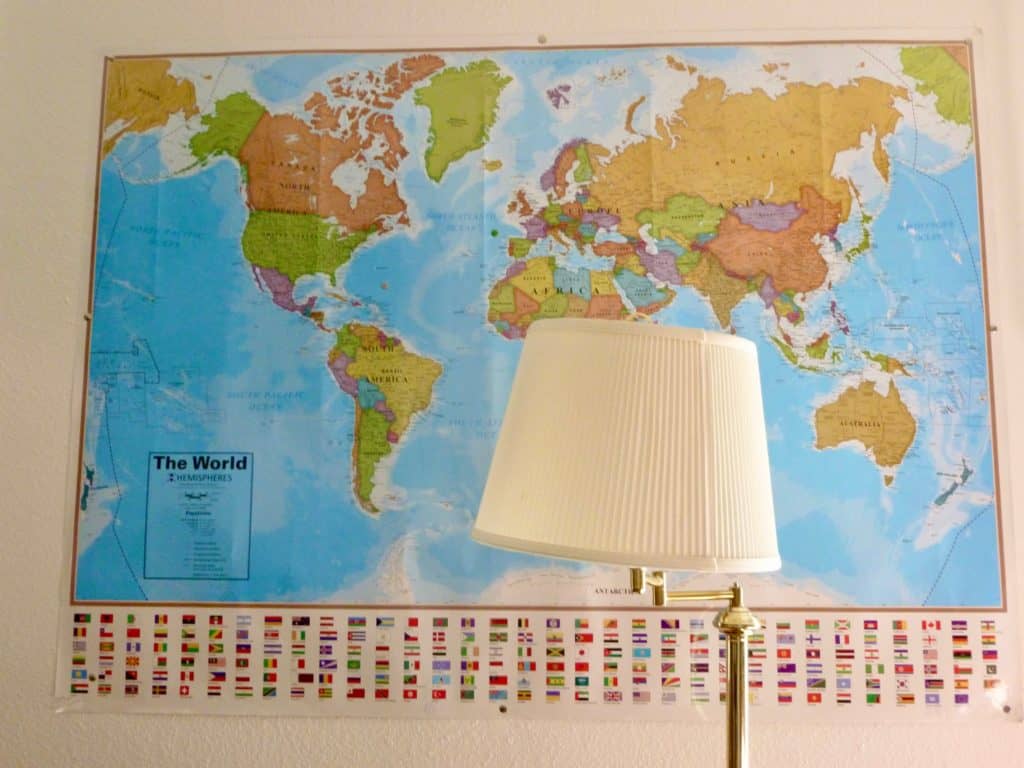
Now if you live in somewhere other than the United States and Canada the HSLDA website does have some information about legal homeschooling in other countries where that’s possible.
There are a lot of countries where it is legal to homeschool, but of course the requirements to do so legally are going to be different in each country. But the HSLDA is still a great place to get started.
Make sure you’re legal
Make sure that you take care of the legal side first. In most states you’ll need to notify the local school district to pull your kids out of school if they’re attending a local public school.
Here in Oregon we have to register our students with the school district at age six to say that we’re homeschooling them. We’re also required to submit to state testing in specific grades.

Or in California, I had to fill out a form, then I could start homeschooling them the next day. I also had to keep attendance records and teach specific subjects.
It depends on what state you’re in, what province, and what the laws are. So the HSLDA website’s a great place to get started.
Is HSLDA membership worthwhile?
If you see that there are a lot of homeschool legal challenges for homeschoolers in your state, it’s a good idea to invest in the HSLDA membership. It provides you with some legal protections in case your homeschooling comes into question at a later date.
When we were living in California we maintained our HSLDA membership, because California had experienced a lot of legal challenges to homeschooling. We wanted to make sure we had the option of legal protection if that was needed at some point.
Here in Oregon it’s very homeschool-friendly and so we haven’t felt the need to have that membership.
2. Get Connected

The second step is to go to social media and find some local homeschool groups. Find the local homeschool community, or if there isn’t one near you, look for online communities.
As new homeschoolers, you’re going to want to find people who are already doing it. Another homeschool parent will be able to answer your basic questions as you’re getting started.
A good support network will be essential for you to have a successful homeschool experience. You’ll want to find a homeschool friend who is familiar with the struggles and challenges of homeschooling.
Facebook as a starting point
I’ve found that Facebook is pretty handy for this. There’s a support group for every kind of homeschool style, and even for specific curriculums.
Or if you have specific types of homeschooling needs. Like if you’re homeschooling ADHD learners, or if you’re homeschooling kids who struggle with dyslexia, you’ll want to join a group for special needs homeschooling.
I’m currently in a group where it’s public charter school homeschoolers. So we can consider ourselves homeschoolers because our kids do most of their online courses at home over Zoom.
But many people would consider it public schooling because it’s run through the public school system.
All kinds of homeschool groups
Try to join at least one local homeschooling organization. That way, you’ll have fellow parents who are already in it who can answer your questions and help you figure things out.
If you’re a minority, or if you already know you want to be a secular homeschooler, or if you already know that you want to want to follow specific educational philosophies…
Find the ones specific to your situation. Join two or three different groups, so you can really get a feel for what it’s actually like homeschooling in your area.
3. Decide what you need
Take some time to think about the needs of yourself as a home educator and your learners. This is the most important thing to do before you choose curriculum.
@dinkumtribe Homeschooling your ADHD child has several advantages. @DinkumTribe ADHD family travel @DinkumTribe ADHD family travel @DinkumTribe ADHD family travel #adhdtiktok #homeschooltok #adhdkids #adhdhomeschool ♬ original sound – DinkumTribe ADHD family travel
Do you have special education requirements? If your kids have already been in school, did they have an IEP?
What is your child’s learning style? Do they need help with reading? Do they struggle with math? What, specifically, are your family’s needs for a homeschool schedule and environment?
My homeschool journey
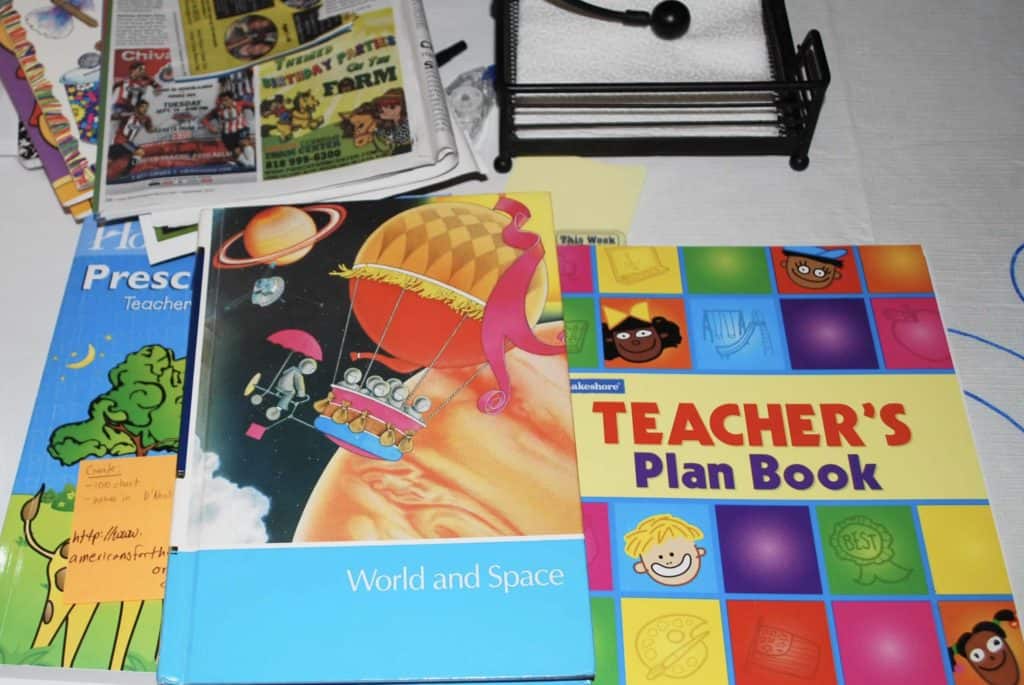
When I started in my kids’ early years, the easiest thing to do was just buy a complete curriculum. It had lesson plans, and it was going to cover each subject area systematically, and that was great.
But when I started it, I discovered that it really didn’t match my kids’ learning styles. And it didn’t match my teaching style, and it was way more teacher-intensive than I was ready for.
Decide what matters
So take the time to think about, “What things does my family need to homeschool well?” Think about, “What do my kids need?” Think about how much time you as the instructor are going to have to spend on homeschooling.
These are things you want to think about ahead of time. Or, do you have unusual life circumstances?
Do you have kids with special health needs where you’re going to be at appointments all the time? In that case it might be helpful to have a curriculum that allows a lot more flexibility.
Do your kids need to detox from, maybe, a bullying environment they were dealing with at their last school? Do they need some time and space to heal from that?
@dinkumtribe After everything went down with our former toxic church and toxic family, major life changes were necessary. @dinkumtribe @dinkumtribe @dinkumtribe #nocontact #toxicchurch #toxicchurchculture #toxicfamilyhealing #homeschoolingthroughgrief #homeschooldecisions #homeschoolmom ♬ original sound – DinkumTribe ADHD family travel
Those are some of the things you’re going to want to think about.
Your personal teaching style
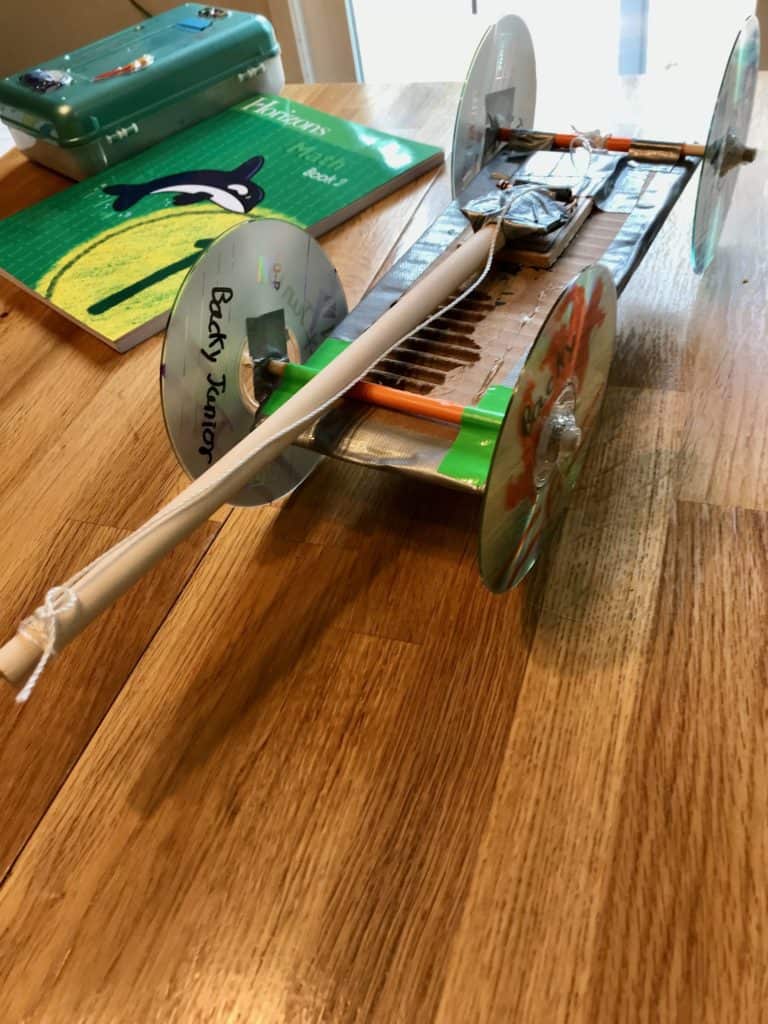
Do you prefer to be very hands-on with homeschooling, or do you prefer your kids to do a lot of their learning on their own?
What grade level are your students? Are they really little and so you can start with just letting them live life and doing minimal instruction?
Or are they getting into high school and they’re going to have to start thinking about college qualifications? All these are questions you’re going to want to think through at some point.
Budget considerations

And of course budget has to come in too! Are you going to be paying for this out of your pocket? Do you need to go with free curriculum options?
So just take some time to think through kind of what your needs and the needs of your students in your household are going to be.
4. Dream a little!
Take some time to dream. This is one of the most important things to do! Think about what you would like your ideal homeschool day to look like.
Our priorities

Many of us choose to homeschool because we want the gift of time with our families. For our family, that was a high priority.
So we have chosen curriculums that are less rigorous, less time-consuming. Those are the kinds of curriculums that we have found that we like best, because we don’t want to just do school-at-home.
@dinkumtribe Many homeschoolers focus on covering a lot of material, but they don't take the time to make sure their kids are actually learning it. This can lead to kids who can regurgitate facts, but they don't understand the concepts behind them. In order for kids to truly learn, they need to be engaged in the material. They need to be able to ask questions, explore their curiosity, and make connections to their own lives. Here are a few tips for making sure your kids are actually learning the material: 1. Use a variety of teaching methods. Don't just rely on textbooks and worksheets. Use hands-on activities, games, and field trips to engage your kids. 2. Encourage your kids to ask questions. Don't be afraid to say, "I don't know." This is a great opportunity to learn together. 3. Give your kids time to explore their curiosity. Don't be afraid to let them go off on tangents. This is how they learn best. 4. Make connections to your kids' lives. Help them see how the material they're learning is relevant to their own lives. @DinkumTribe ADHD family travel @DinkumTribe ADHD family travel @DinkumTribe ADHD family travel #homeschoolersoftiktok #homeschoolmom #homeschooltok #homeschoollifestyle ♬ original sound – DinkumTribe ADHD family travel
Not that book lists aren’t great – we love books! Kind of a little obsessed with buying books, and all of our kids are good readers.
But we would much rather spend the time experiencing life. We want to have time to talk with our kids, to dialogue with them. So that’s something we considered.
What do you want, and what don’t you want?
What do you want for your child’s education that you weren’t getting in traditional school or private school? Did your kids feel unsafe? Do you need to find new community for them, or for yourself as a parent?
Again, this is a great time to find other homeschooling parents on social media, or look into some blogs about homeschool families to get a feel for what’s possible.
If you’ve never homeschooled before, you’ve never known personally any homeschooling families, there are so many options. And it can be really overwhelming to start with the options.
What’s the end goal?
So that’s why I say, dream about what would you like your homeschooling to look like? Do you want freedom to travel? Are you thinking to road school?
Do you want your kids to be able to get into the best colleges? That’s going to be a very different look to your homeschooling than somebody who’s prioritizing their kids and family time.
We value the creative side of things and we want to experience a lot of things there. It’s just different and there’s not good or bad to it.
Of course, each one has its advantages and disadvantages. But take the time to dream, to really think about why you’re homeschooling, and what you hope to accomplish, and what you’d like your life and your family life to look like.
5. Curriculum choices
NOW it’s time to start looking into curriculums, or to think about unschooling.
Unschooling or deschooling
I’ll start with unschooling, because many kids who have been in public school or private school, they do need time to detox from that environment.
Frequently, a parent chooses to homeschool their child because they recognize they’re not thriving in that environment.
Not attacking public schools or teachers
I am not knocking teachers! My husband has been a teacher.
The way schools are set up here in the United States are not the most efficient model for teaching. I think any teacher who’s honest with you will tell you that having huge groups of kids all trying to learn the same thing at once, it’s not ideal.
So I’m not knocking the teachers. It’s the way the system is set up.
But because of that, students who are moving into homeschooling from a public school setting they may need some time to unwind. Time to detox, and figure out, “Okay, how do I want to pursue learning now?”
Avoiding overwhelm
So I would say, don’t START with looking at your catalogs or your curriculum websites. That’s not the place to start.
There’s something called the Rainbow Resource catalog that’s a book about 2 inches thick, in tiny print!
Too many learning resources is just going to overwhelm you! So don’t start there.
Get reviews and input
Instead, talk to some of the homeschooling parents in the forums you’ve found. If you have found a homeschool group to be a part of, talk to some of the other parents. See what they’re using: what they like about it, what they don’t like about it.
My personal advice
I’m going to give a couple of recommendations just based on my own experience here.
If you have the freedom to choose curriculums, choose the ones that are the least work for you as the teacher to begin with.
So a boxed curriculum can be really handy, because you don’t have to plan any of it, and you know that stuff’s being covered. That can be very reassuring for a lot of first-time homeschoolers.
Take your time
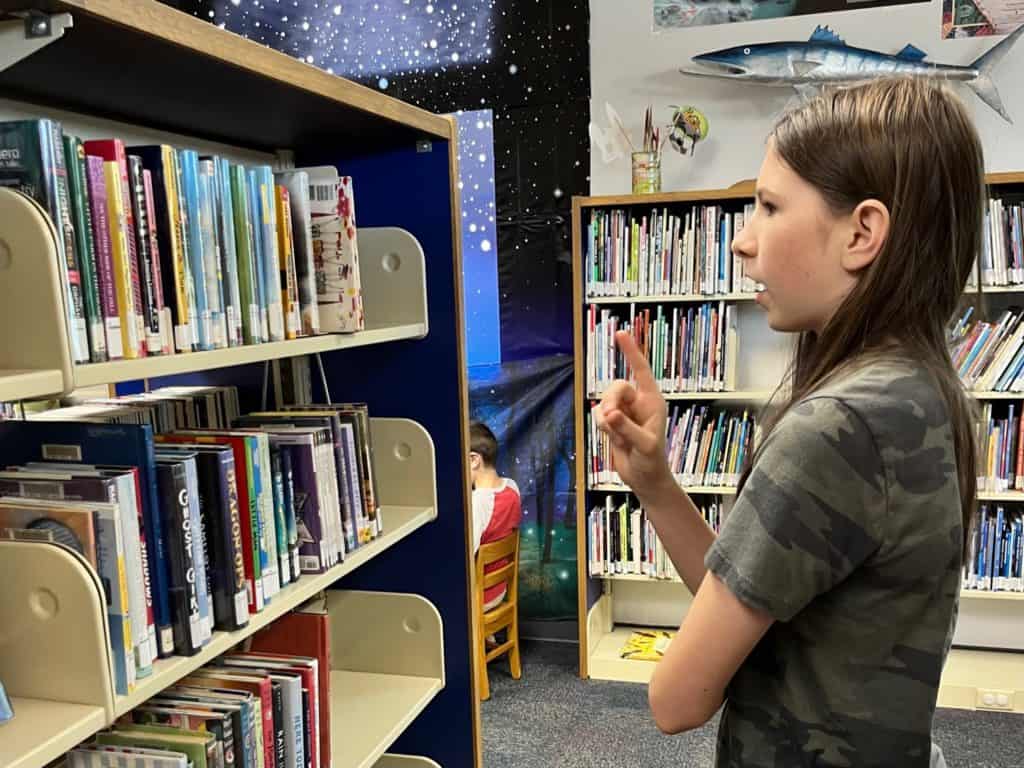
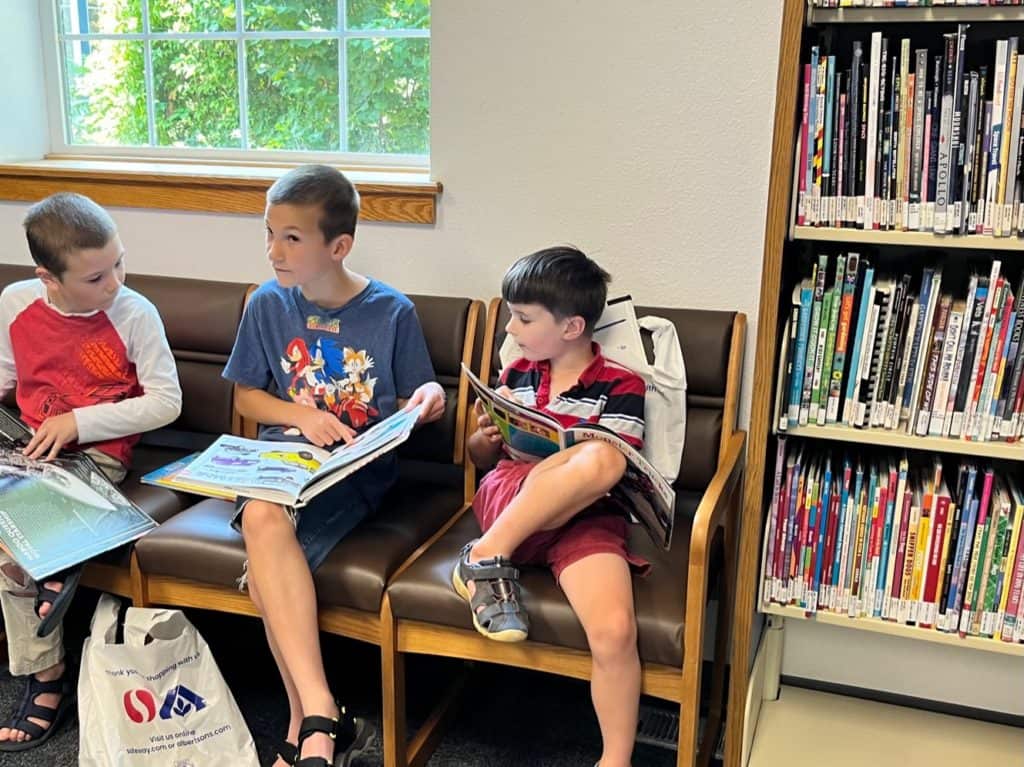
Or maybe you just need time to figure things out for yourself. It is totally okay to take several months—even a year—to just go to the library every week and let your kid check out books in their interest areas.
Or watch documentaries, or go to the park, or visit museums. Do some of this experiential learning and some of this interest-based learning. And let your kid figure out what they need, and are interested in, and let you have time to figure that out.
@dinkumtribe Our oldest son LOVES anything vehicle related, so seeing the historic photo with Model T’s was a big draw for him. @dinkumtribe @dinkumtribe @dinkumtribe #adhdfamilytravel #oregonfamily #pnwfamily #oregonhistory #travelwithkids #oregonhistorydiscovered #historicstatepark #fordmodelt #historiccar #antiquecars #carenthusiastsoftiktok ♬ original sound – DinkumTribe ADHD family travel
Other homeschool families
Again, if you can meet with other homeschool families, this will very quickly help you start to learn from actual families what things you like in a curriculum and what things you don’t.
You can talk with the other families. You can see how their kids are absorbing it and learning it. It’s just a really great way to figure out where you’re going with yours.
Pick something
Along with that I want to say, don’t worry too much about what curriculum you start with. Just start! Pick something if you can’t… if you’re having trouble deciding.
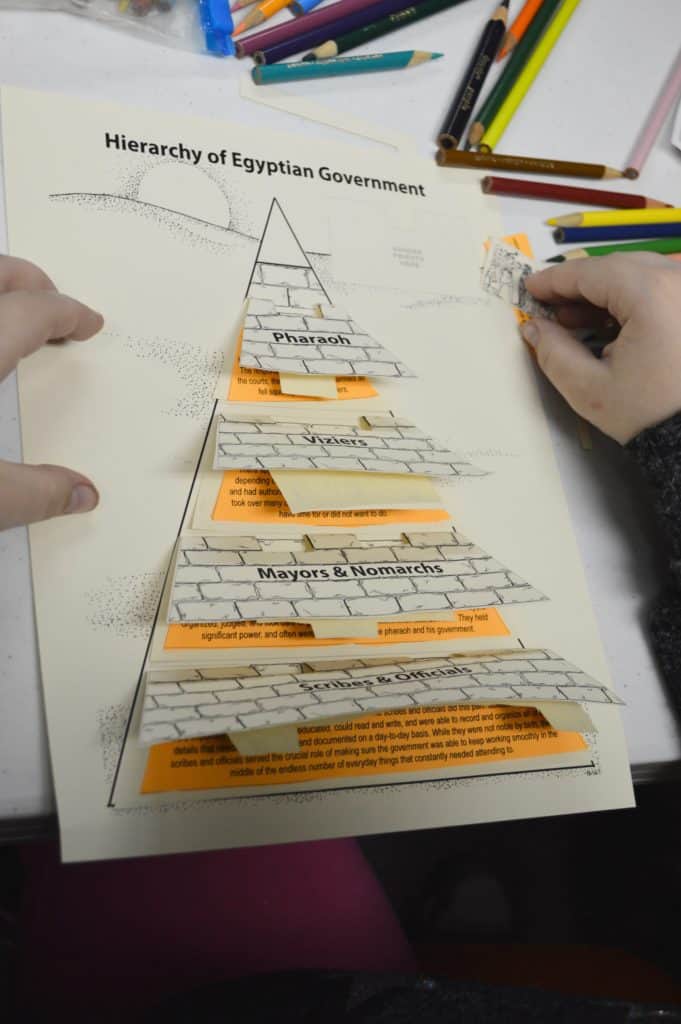
Because honestly, you’re going to get started in it, and then you’re probably going to figure out, “Oh I don’t like this.” Or, “Oh, that doesn’t cover the things the way I wanted it to,” or, “This is definitely not working for my kid!”
That’s okay. I think any homeschooler you talk to will tell you that they have not stuck with the curriculum they started with.
Change is okay
I know for our family, we’ve changed curriculums every year in some area! There’s some curriculums, for example our history curriculum, we’ve been doing that for a lot of years because we like it and it fits with our family.
We’ve switched math curriculums a couple of times. We’ve switched language arts curriculums a couple of times. Just know that you are not stuck in any particular one.
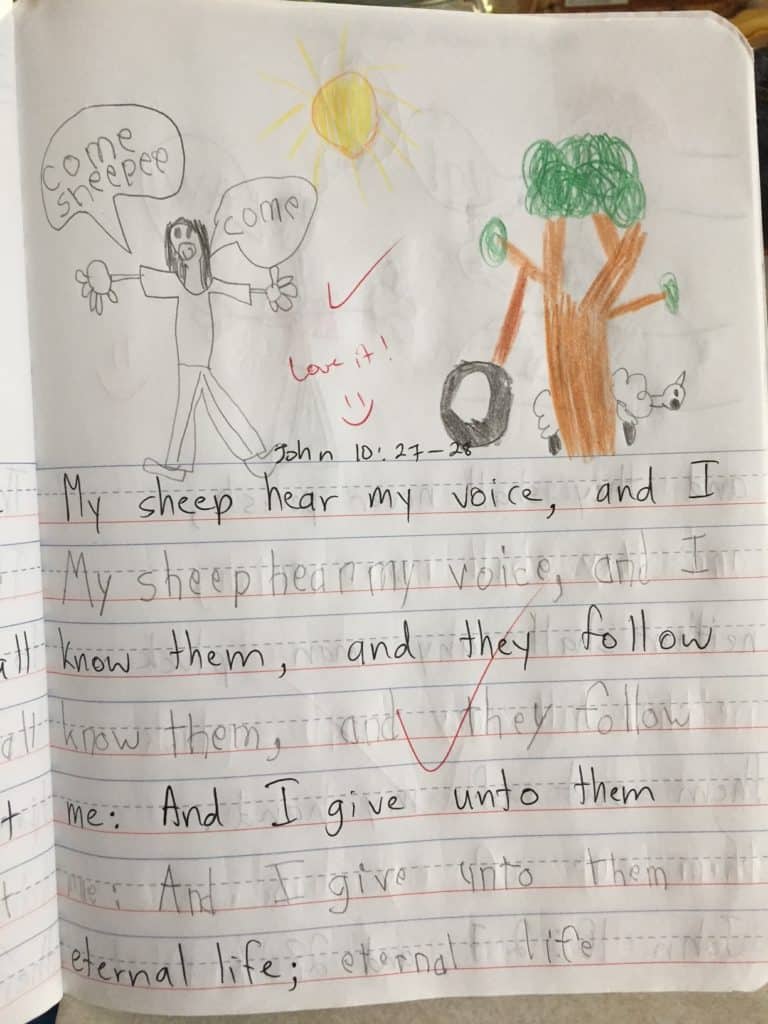
Another thing: try not to emotionally or morally attach yourself to a particular homeschool curriculum, system, a way of doing things, or to a homeschool group.
Allow yourself the freedom to grow and change as you go along.
-Experienced homeschool mom
Here’s how to start homeschooling today (summary)

And if you’ve completed step number five, that’s it! You’re homeschooling! You’ve started!
So just to recap:
- Make sure you’re legal.
- Find people who are homeschooling already so you can learn from them and get your questions answered.
- Think about the needs of you and your family.
- Take some time to dream: what do you want your homeschooling journey to look like?
- Start researching curriculums, make a decision, and just start somewhere!
You may also like these posts:
- Simple & fun back to school homeschool celebration
- Review: Story of the World social studies curriculum review
- Easy kids clothing organization tips and ideas
- Family chore system: tips and printables
- Teaching kids times tables
©️ Copyright Jennifer D. Warren 2023. Updated: July 12, 2025.



Comments
Comments are closed.