
This blog is written for families living with ADHD, autism, cPTSD and other mental health challenges. We provide neurodivergent families with tips, ideas, inspiration and resources to help you enjoy travel together, as well as providing real-life experience on how to build strong family relationships.
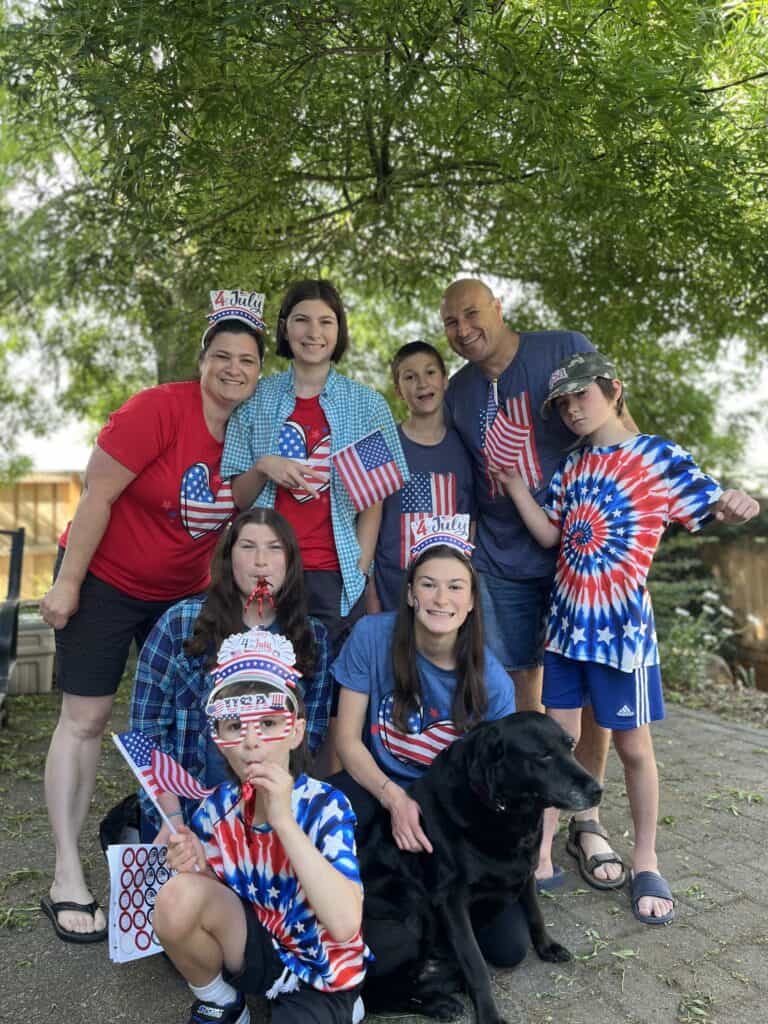
Neurodivergent Life
Marriage, parenting, mental health tips, home organization, gift guides, booklists, holiday celebrations, homeschooling, and more – if it happens at home, it’s covered here.
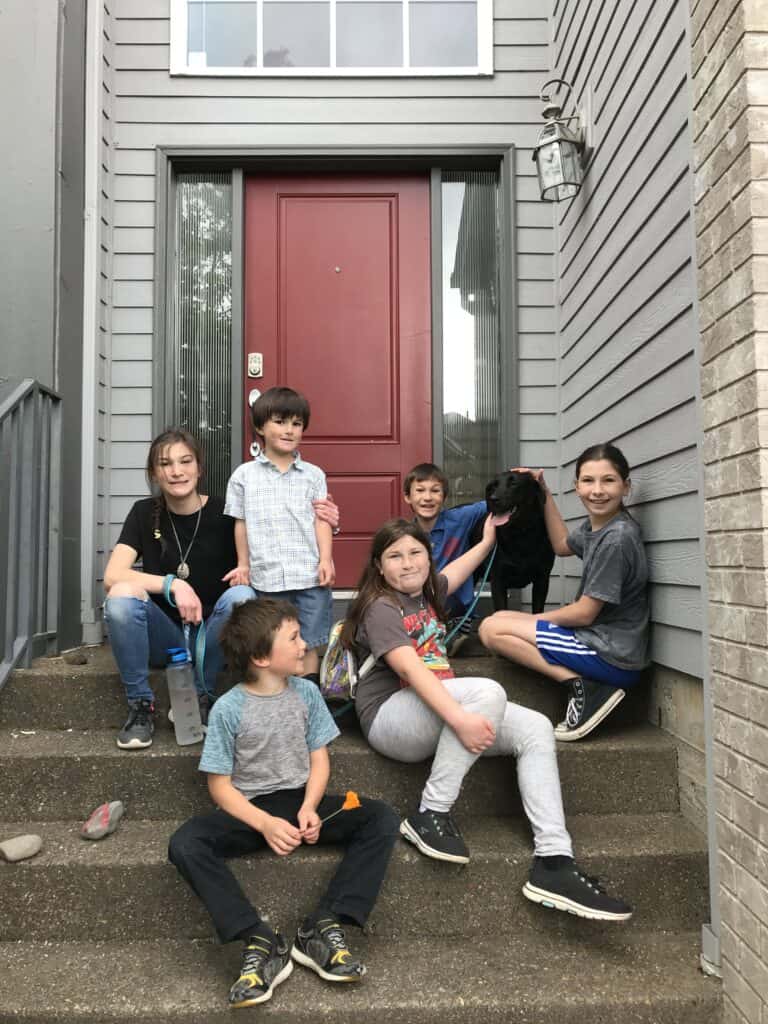
Travel
General travel tips, road trip resources, restaurant reviews, national parks, packing tips, camping ideas, and a state-by-state list of destinations we’ve visited along the way.
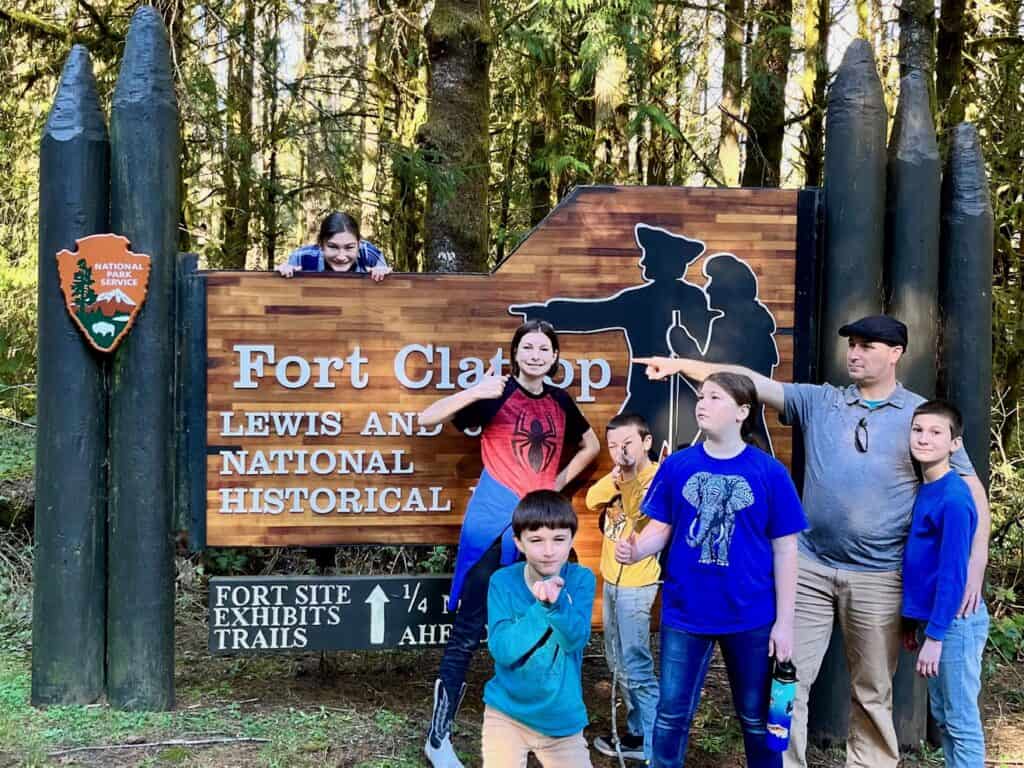
Oregon (our home state)
City guides, restaurant reviews, activities, and events in Oregon. The Willamette Valley is our home base, but we are exploring everywhere!

Who we are
We’re Jenn and Brian Warren, millennial parents on a quest to enjoy life with our children to the fullest. We’ve been traveling with our six children since their infancy, and we’ve visited places all around North America from Alaska to Mexico and from West Coast to East Coast.
We’re passionate about authentic living, practical solutions, genuine relationships, and an abundance mindset. Our family has grown through over 20 years of serious life change. All of our family members have ADHD, autism, anxiety, or some combination of diagnoses, and we’re learning to lean into our strengths and accommodate our challenges.
Dinkum Tribe is a community (tribe) focused on neurodivergent families who love life and travel with their kids. Dinkum (pronounced DING-kum) is an Australian adjective that means “genuine” or “real”. It’s our mission to help families like ours build a beautiful life together!
Begin exploring here:
- Our ultimate guide to planning and packing for a family road trip
- How to create an ADHD-friendly bedroom
- We road tripped from Oregon to Georgia and back – here’s our complete itinerary
- Huge list of family-friendly stops along the Oregon Coast
- Implementing a family chore system that works
Latest posts
- 75 Best Gifts for Dungeon Masters and D&D players
 Curated list of gifts for dungeon masters and Dungeons & Dragons players. Includes D&D accessories and game add-ons, personalized gift ideas, merch and more.
 - Easy Otter Salem, Oregon: Fried Chicken, Beignets & Date Night
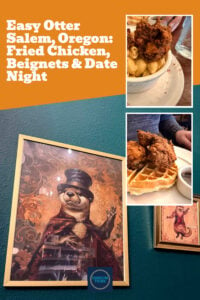 Our Easy Otter Salem, Oregon review: fried chicken, chicken and waffles, seasonal beignets, and tips for dinner before an Elsinore Theatre show.
 - Guide: Best Restaurants in Silverton Oregon
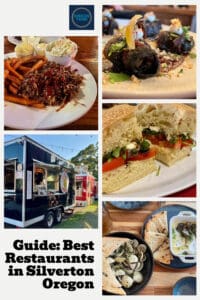 From cozy family-owned eateries to upscale dining destinations, we’ve tried over a dozen of the best restaurants in Silverton Oregon.
 - 39 Cheap or Free DIY Halloween Costumes for Teens and Adults
 Need a last-minute Halloween costume? Try 39 cheap or free DIY ideas for teens and adults, including funny puns, group costumes, and easy household supplies.
 - 23+ Fun Things to do with Kids in Molalla, Oregon
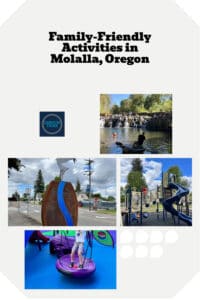 This post contains affiliate links for Amazon, Stay22 and other programs. I earn a small commission from qualifying purchases made from the links on this site, at no extra cost to you. Thanks for supporting our family business! Facebook X Pinterest Email Print Do you need ideas for family-friendly activities in Molalla, Oregon? Look no…
Testimonials
This is great! We’ve found ourselves more than once apologizing and owning up to parenting mistakes. LOVE the idea of intentionally making sure the kids know the lines of communication are always open and they are free to tell us if they think of something that hurt them, in the past or currently. Know better, do better!
Alyssa T.
As a dad always looking for new ways to bond with my family, I loved the creative camping ideas in this article! Setting up an outdoor movie theater sounds like such a fun way to spend the evening. Letting the kids pick fun themes and activities gets them engaged. The tips on choosing a family-friendly campground are really helpful for finding the right fit. This article got me excited to plan our next memorable family camping trip filled with these great ideas!
Kuma
Great Resources! Loved the videos and your explanation was spot on. The “hidden disabilities” are many times harder to deal with than the physical ones. We have both in our family and the mental or “hidden” ones are more difficult for others to understand. Thanks for sharing!
Beth L.