
Traveling with neurodivergent kids can be overwhelming, and many neurodiverse families avoid it as much as possible. As a mom of six (most of whom are neurodivergent), I get it, and I’ve been there!
However, I’ve also learned that it’s both possible and worthwhile. With the right preparation, and careful planning, family travel can be an incredibly rewarding experience.
In this post, I’m sharing practical tips for traveling with neurodivergent children and teens. I’ll also discuss some real-life examples that have helped our neurodiverse family thrive on the road.
Table of Contents
Disclaimer: We are not doctors, healthcare professionals, or mental health professionals. This post should not be construed as medical, legal, or professional advice.
What do we mean by “neurodivergent”?

Being neurodivergent simply means your brain processes information differently. It can include conditions such as ADHD, autism spectrum disorder, sensory processing disorder, complex PTSD and even traumatic brain injuries (TBIs).
It’s common to view these brain differences as limiting and problematic. However, I’d like to challenge that perception. Most neurodiverse individuals can participate in and enjoy travel as much as anyone else with appropriate accommodations.
Accommodations for special needs or sensory issues aren’t always complicated, but they do require thoughtful preparation and adjusted expectations. Here’s our top tips for family travels with neurodiverse children.

Prefer to watch instead of read?
@dinkumtribe In case you missed our awesome LIVE today… talking travel and neurodivergence with Bianca Alba from This Latina Travels. We broke down the myths around being neurodivergent, talked about the power of lists (hello structure 👋🏽), and reminded ourselves that less is more sometimes!!! You don’t need to take a big trip — even starting with a one-day adventure counts! We also touched on something so important: travel doesn’t have to look the same for everyone, and that’s okay. ❤️ Thank you @thislatinatravels and everyone who joined us for this honest, uplifting convo about ADHD, inclusion, and family adventures. #ADHDAwarenessMonth #Neurodivergent #ThisLatinaTravels #adhd #traveltips ♬ original sound – DinkumTribe ADHD family travel
1. Start small and local with day trips
If you’re new to travel as a neurodivergent family, start small. Try a local day trip before attempting a long vacation. This will help you learn what works (and what doesn’t) without the additional stress of an overnight stay.
When we take our kids on a day trip, it’s a great ‘practice run’ for many of our travel routines. We pack a cooler with favorite snacks and familiar food.
Grab our free cooler packing lists here!
We also pack the van with things that our family members need to manage sensory issues. Usually we bring some fidget toys, comfort items like a weighted blanket or a stuffed animal, or their Kindles and headphones.

To start with, I’d suggest choosing flexible travel destinations like parks or nature areas that are close to home. That way you can easily return home if there’s a serious issue.
Once you’ve done a few day trips, you can work your way up to weekend getaways or longer vacations.
2. Build flexibility into your schedule
One of the biggest lessons we’ve learned? Less is more.
You don’t have to pack every hour with activities. We usually choose one or two main things to do each travel day, then leave room for rest, downtime, or screen time.

We’ve found that appropriate amounts of screen time can really help regulate our autistic child (Reference: Child Mind Institute). It also gives the entire family some space from each other, even when we’re in a vehicle.
New places and unfamiliar environments are stressful for anyone, but especially for those with sensory processing differences. Planning frequent breaks can be a huge part of preventing sensory overload.
We’ve found that the best travel days are the ones where we don’t overplan. Sometimes a relaxed picnic or spontaneous detour creates the best memories.
3. Use lists and practice routines
Consistency helps kids feel secure. We use a pre-printed packing checklist for every trip. Each child gets their own list, and we review it together before leaving.
Grab your copy of our FREE packing lists here!
After the trip, I adjust the list, adding things we forgot or removing what we didn’t need. Having a reusable list reduces decision fatigue and helps everyone feel more confident and prepared.
We’ve also found it helpful to maintain our daily routine as much as possible while on the road. Starting the day slowly, and ending our day with bath time and quiet activities in our hotel room, helps everyone feel less stressed.

Practice new experiences ahead of time
Practice any unfamiliar routines or processes ahead of time when possible. For example, on our road trips we sometimes have to cross into Canada. We’ve discussed with our children proper behavior at a border crossing so we don’t run into trouble.
When we took our kids on their first airplane flight, we showed them YouTube videos of the airport security process beforehand. You can find online resources to help your kids prepare for new experiences like a bus terminal or train station.

4. Look for sensory-friendly activities and experiences
More and more destinations are offering sensory-friendly accommodations, and it’s amazing to see.
Museums, amusement parks, and even theme parks like Disneyland are creating quiet rooms or safe spaces and offering noise-canceling headphones. Other venues have designated low-sensory hours with reduced crowds and sound levels.
Before visiting, check a venue’s website or social media for accessibility or sensory-friendly listings. You can also follow travel creators (like us!) who share these updates to their social stories.
(Here’s another one of my favorite people to follow)
More and more domestic airports in the United States and Canada are participating in programs to help neurodivergent travelers. Programs like the hidden disabilities sunflower lanyard may be available in your area.
5. Choose time-flexible activities
Whenever possible, plan for activities that don’t require strict timing on family vacations.
Instead of guided tours with set schedules, we prefer self-paced audio tours or exhibits where kids can explore at their own rhythm. Some of our kids love spending 30 minutes at one display, while others prefer to move on quickly — and that’s okay!

Travel shouldn’t feel like a race. Flexibility lets everyone enjoy the experience at their own pace and have a good time.
6. Prioritize familiar foods and downtime
New foods can be a major stressor for kids with sensory sensitivities. We often shop at local grocery stores for simple, familiar foods our kids already love.
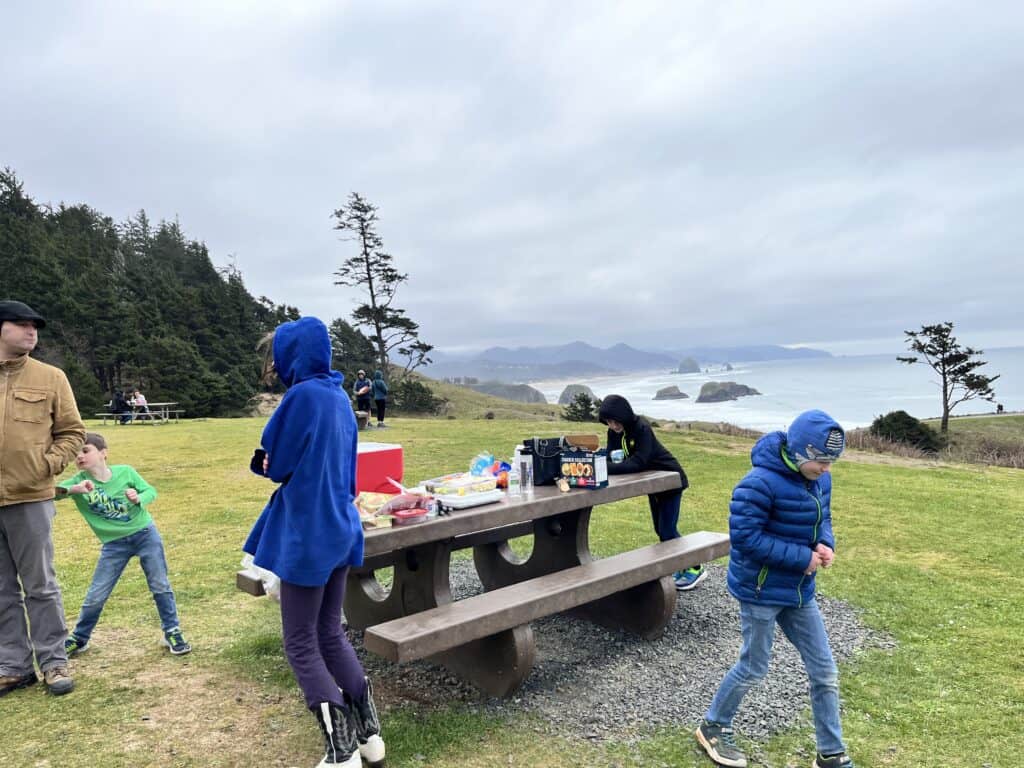
Picnics are a great alternative to restaurant dining — they give kids space to move, make noise, and take breaks as needed. Plus, they’re budget-friendly and easy to adapt on the go.
7. Focus on connection, not perfection
Traveling with neurodivergent kids isn’t about checking off every attraction, it’s about connection and understanding.
We’ve learned to value people over plans. If someone’s having a hard time, we pause and give extra help. If someone needs quiet, we find it.
The best family vacations happen when each person feels seen, safe, and supported.
8. Embrace the joy and creativity of neurodivergence
One thing I wish everyone knew about ADHD and other neurodivergent traits: they come with incredible strengths.
Our kids are spontaneous, curious, funny, and endlessly creative. Yes, we lose hairbrushes and mix up sugar and salt sometimes – but we also laugh, adapt, and find joy in unexpected moments.

Neurodivergent brains see the world in vibrant, innovative ways, and travel helps bring that out. We love including our children in the trip planning process because we end up visiting places we never would’ve thought of.
Allowing our kids to pursue their unique interests has been so rewarding. On our recent trip, we visited the Bigfoot Museum, and my daughter was so delighted to talk with a fellow cryptid enthusiast!

9. Encourage inclusion and understanding
If you’re an educator, travel professional, or friend of a neurodivergent family, know that a little flexibility goes a long way.
Allow extra time for transitions, offer movement breaks, and avoid penalizing lateness when possible.
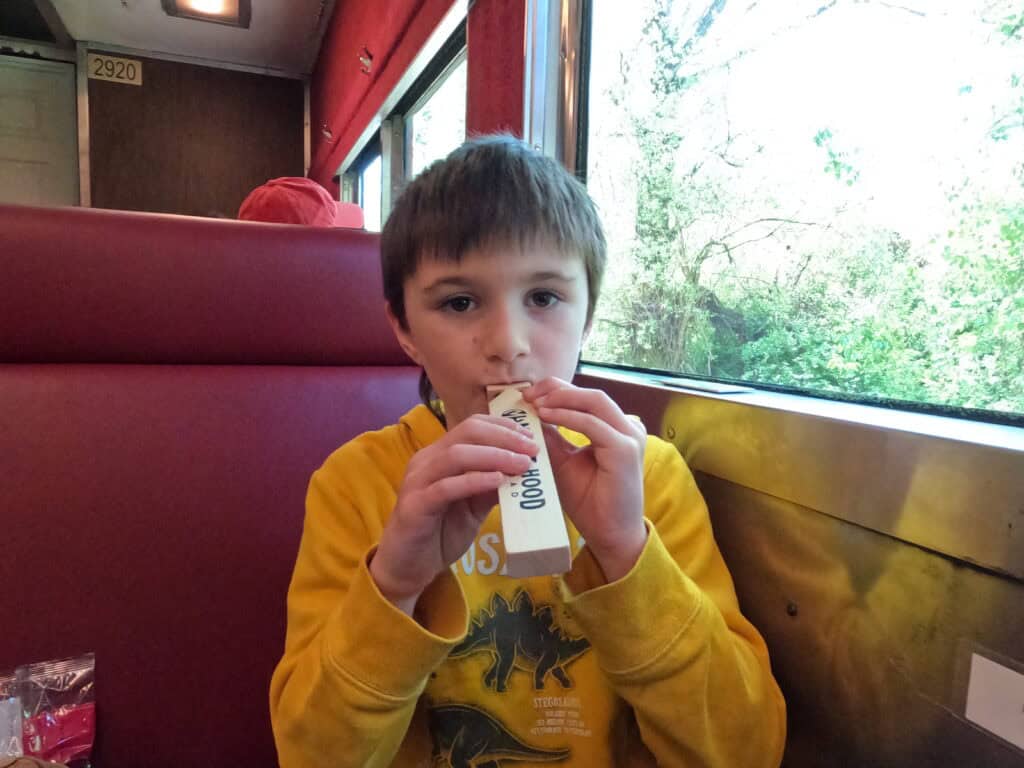
In travel spaces, simple gestures like allowing kids to move around, or providing sensory tools, make a huge difference in accessibility and comfort.
It’s also good idea to call local attractions ahead of time to see what they offer for neurodivergent families.
10. Give yourself permission to travel differently

Your family’s travel style doesn’t have to look like anyone else’s.
It’s okay if you don’t visit every attraction, if your trip includes downtime, or if your “perfect day” involves resting in your hotel. Travel is personal, and the goal is connection — not comparison.
Start small, give yourself grace, and celebrate the wins along the way.

Your unique family travel experiences
Traveling with neurodivergent kids isn’t about doing it “right.” It’s about creating experiences that honor your family’s specific needs, strengths, and joy.
Whether it’s a day trip to a local museum or a cross-country adventure, remember: your way of traveling is valid. With a little planning, patience, and creativity, you can make incredible memories together.
You may also enjoy these posts:
- Road trip panic attack!
- How to Heal through Travel: road trip reset
- What it’s like to be autistic
- ADHD in teen girls
- Teen carry-on packing list and tips
©️ Copyright Jenn D. Warren 2025.