What if you could walk through an Oregon that no longer exists?
The Pacific Northwest has been inhabited for thousands of years, and the evidence is still visible at some prehistoric sites in Oregon. Oregon’s earliest inhabitants lived in land that was much different from what it is today.
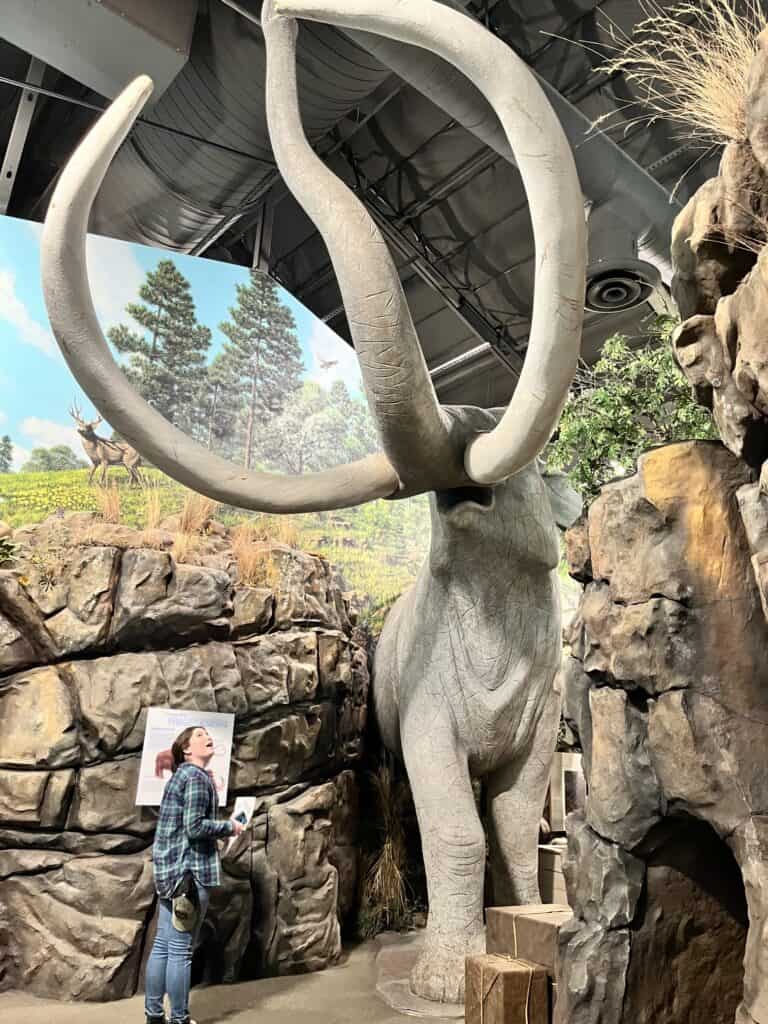
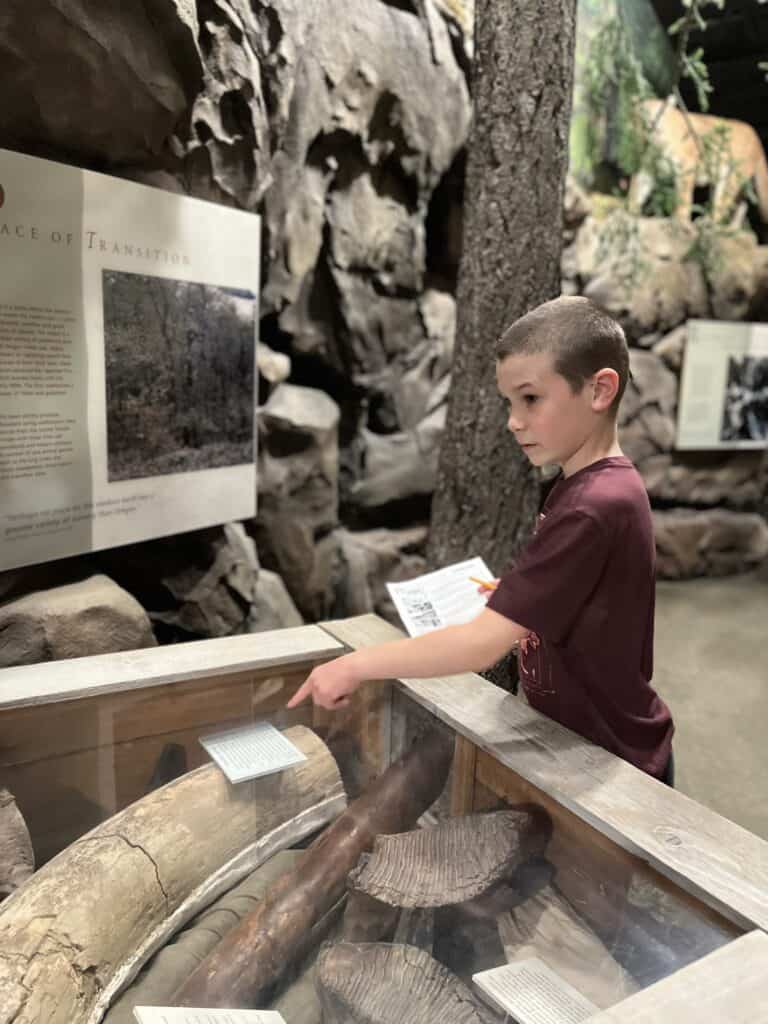
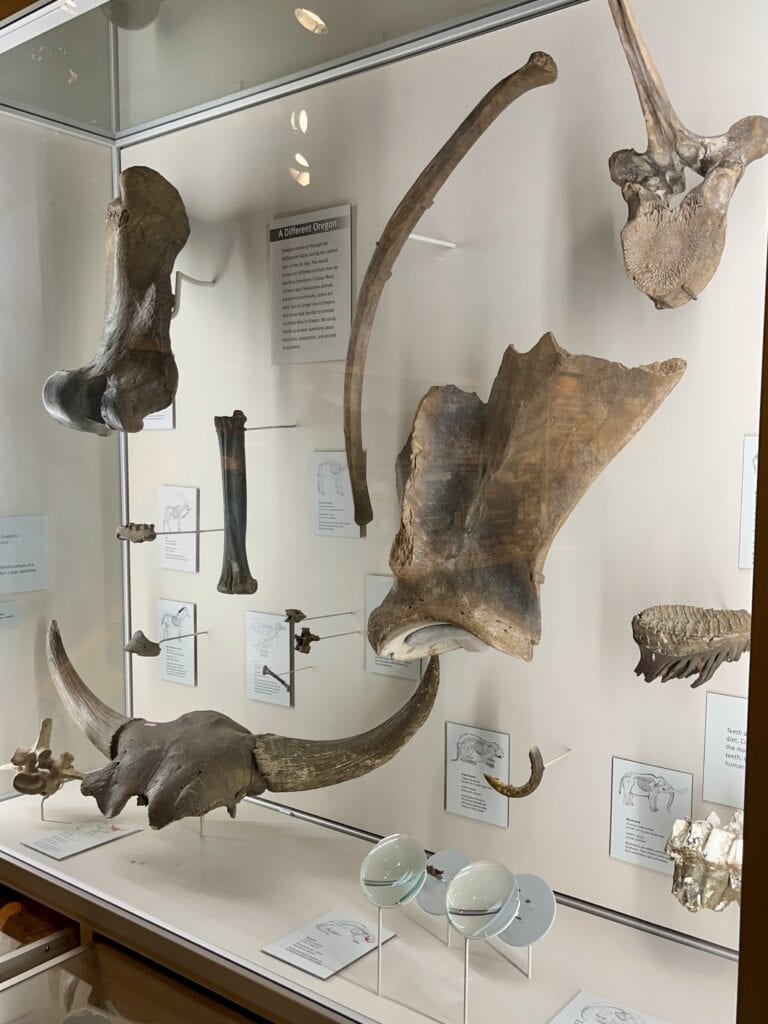
Indigenous tribes hunted Columbian Mammoths and Great Sloths in grasslands and estuaries that no longer exist. Glaciers sculpted Oregon’s peaks, as catastrophic floods carved the Columbia River Gorge.
Most of that world has vanished. But its stories remain hidden in fossilized soils, mysterious petroglyphs, towering rock formations, and landscapes shaped by unimaginable forces. You can visit these seven locations to discover Oregon’s prehistoric past.
Table of Contents
1. John Day Fossil Beds National Monument – The Painted Hills
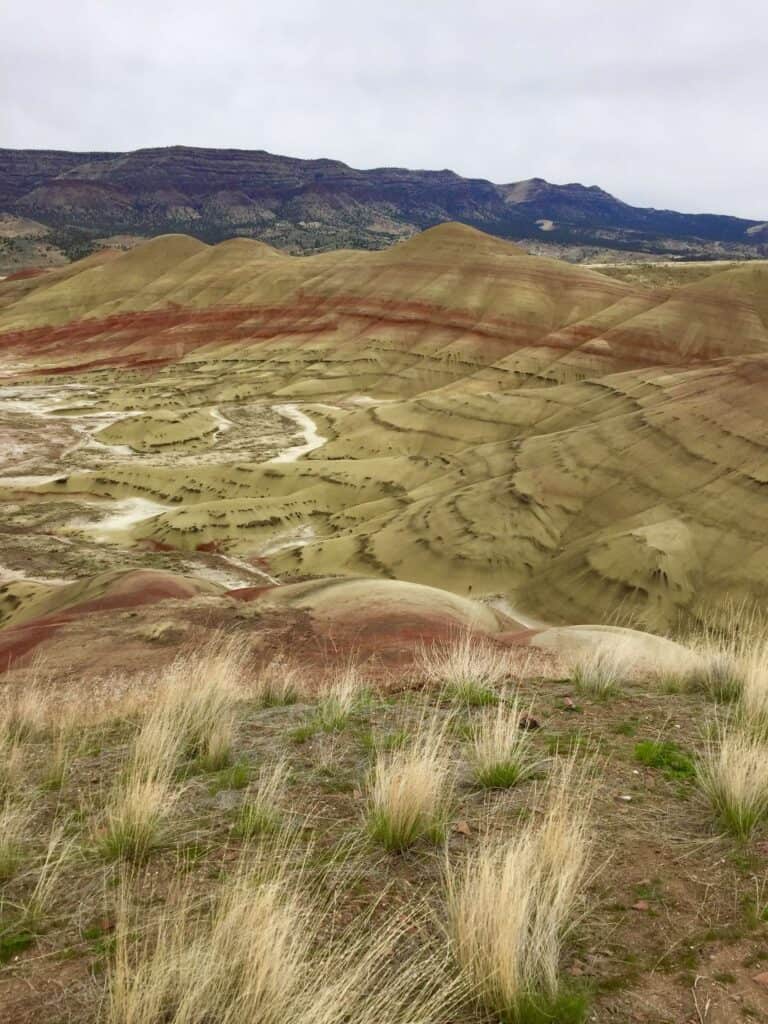
The John Day Fossil Beds are a hidden wonder. These geologic formations have yielded incredible fossils from the early Cenozoic Age. Horse-sized pig monsters and strange dog-bears welcome you to an Oregon unlike anything we know today.
The three units of this national monument are marked by remarkable diversity and beauty. But the greatest unit by far is the Painted Hills unit. These hills are composed of paleosoils, fossilized soils that testify to the climate of eons long past.
- Where to go: John Day Fossil Beds National Monument, Mitchell
- What to do: hiking
- Time: 2-3 hours
Oregon Prehistoric Sites Map
2. Ice Age Floods National Geologic Trail – Oregon’s Gigaflood
Oregon was repeatedly flooded by catastrophic Ice Age floods. Floodwaters from glacial Lake Missoula tore through Northern Idaho, Eastern Washington, and the Columbia River Gorge before emptying into the Pacific. These Gigafloods were massive flashfloods that transformed entire landscapes and ecosystems.
Ice Age Flood National Geologic Trail is an auto tour route that follows the flow of the Missoula floods. Oregon’s stretch of Ice Age Floods NGT runs the length of the Columbia River and across the Willamette Valley. We’ve enjoyed visiting flood sites across Oregon, including the Columbia River Gorge, Tualatin, and Erratic Rock State Natural Site.
- Where to go: Explore sites along the Ice Age Floods NGT
- What to do: Visit museums and hike trails
- Time: Varies by location
3. William L. Finley National Wildlife Refuge – A Lost World
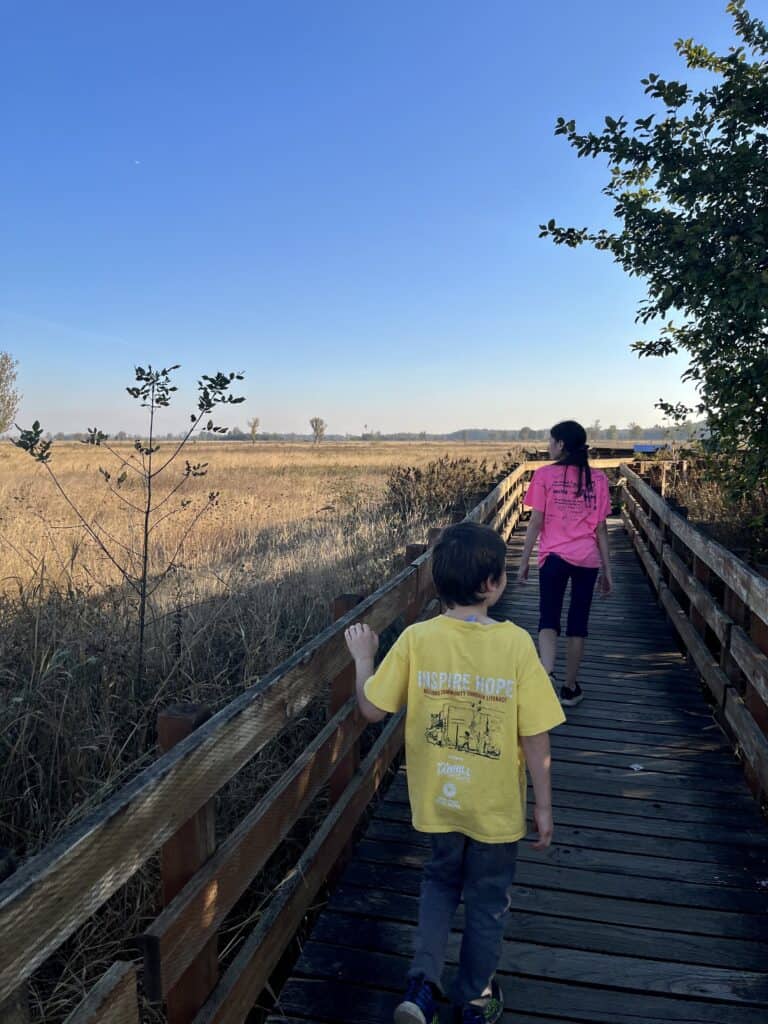
William L. Finley National Wildlife Refuge is home to a unique treasure: Willamette Floodplain National Natural Landmark. This parcel is the only unplowed, unaltered land in the Willamette Valley, and a window into Oregon’s prehistoric past.
Stepping into the landmark is a remarkable experience. Suddenly, you’re surrounded by plants unlike anything you’ve seen before, walking through an Oregon that doesn’t exist anymore.
4. Fort Rock – Ice Age Island
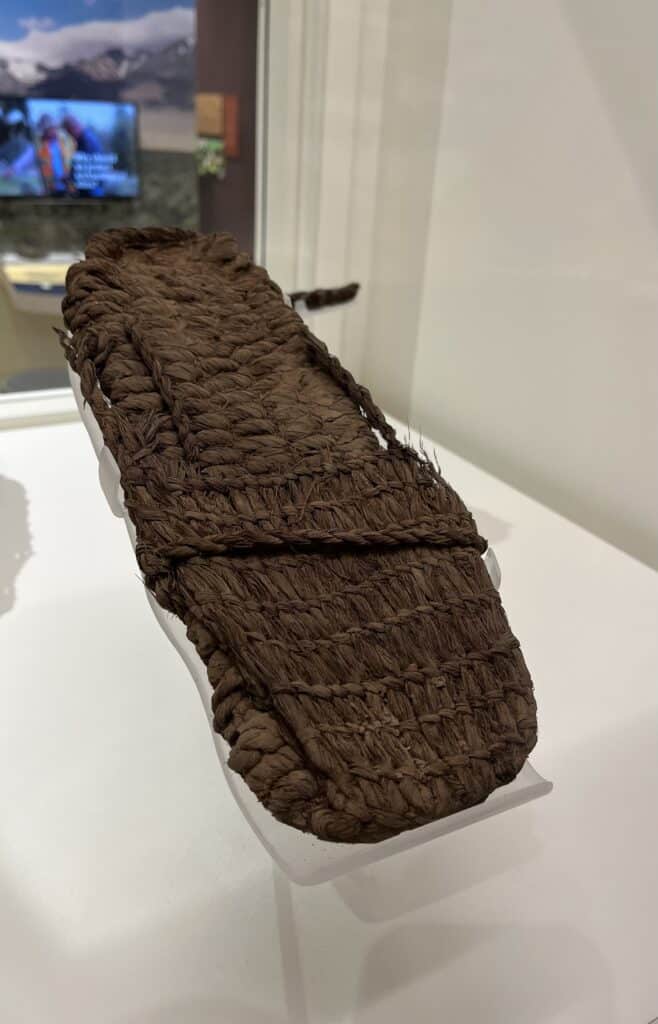
Oregon’s Outback is rich in Ice Age sites. Fort Rock is the most famous location, and for good reason. Excavations in its cave yielded an astonishing find: 10,000 year old sandals.
At the time when these sandals were made, Fort Rock was an island in a shallow sea. Today, this massive desert outcrop is part of Fort Rock State Natural Area.
5. Cascade Locks – The Bridge of the Gods
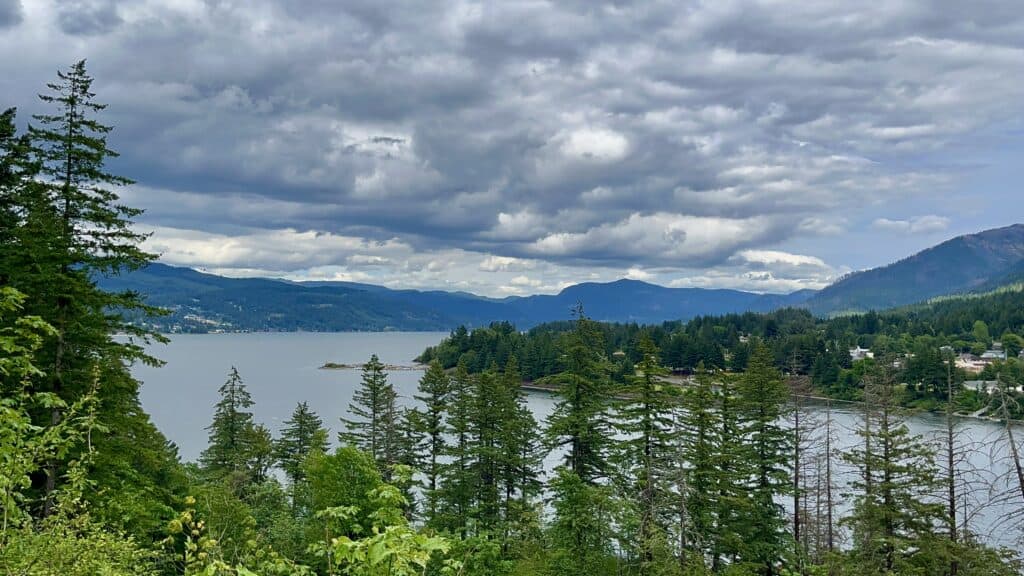
In the mid-1400s, a massive landslide blocked the Columbia River. Over time, the Columbia River bore through the slide, creating an enormous landbridge. The landbridge collapsed long ago, but its fame endured in the indigenous tale of the Tahmahnaw, the bridge built by the Great Spirit. Today it is known as the Bridge of the Gods.
Remnants of the prehistoric bridge created the Cascades of the Columbia. These infamous rapids posed a severe threat to those traveling the Oregon Trail. Eventually, the “Cascades” lent their name to what we now call the Cascade Range.
6. The Dalles – Prehistoric Mecca
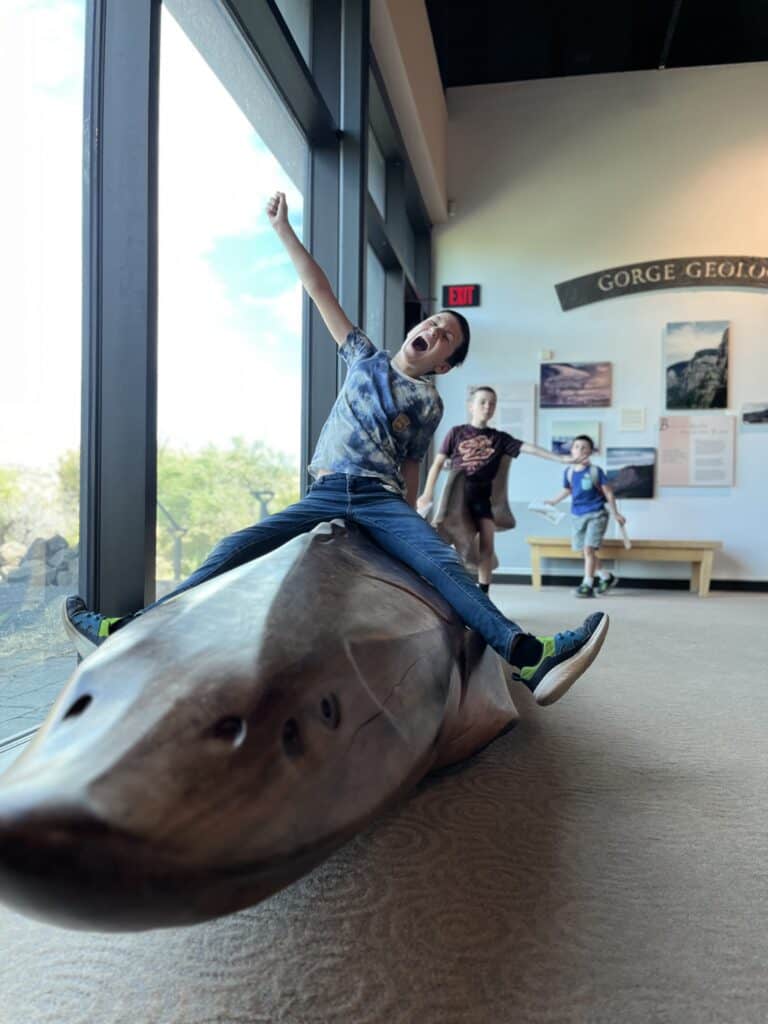
Fur trappers gave The Dalles its name (“slabs”) for the natural stone platforms that fringed both sides of the Columbia. These formations made the Dalles an ideal location for catching salmon. Its natural wealth and strategic location quickly transformed the Dalles into the most important location in prehistoric Oregon.
Trade routes brought indigenous peoples from across the West to exchange goods and ideas along the shores of the Columbia. The Dalles would later be a noteworthy stop for fur trappers, Lewis & Clark, and travelers along the Oregon Trail.
7. Redmond – Mysterious Messages
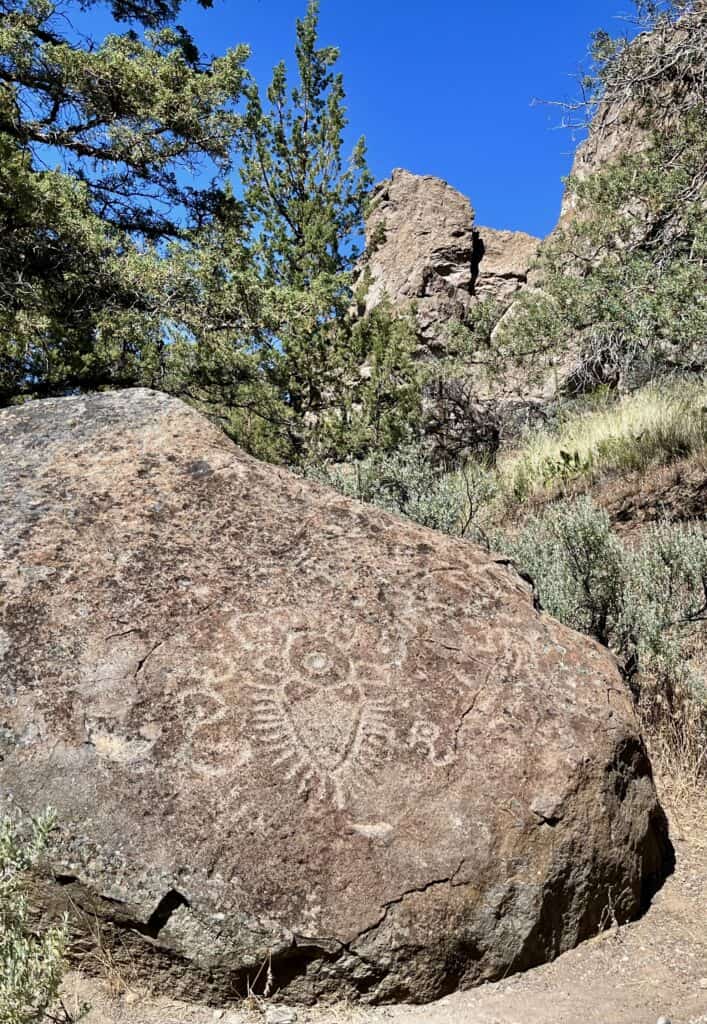
Redmond is an ideal location for exploring Oregon’s indigenous heritage. Begin by visiting the Crooked River Petroglyphs located in Cove Palisades State Park. This massive boulder is covered in petroglyphs that are at least 2000 years old.
Drive a half hour to the north to visit the Museum at Warm Springs and learn about the indigenous tribes who have inhabited this region for millennia.
Which prehistoric Oregon destination will your family explore first?
Oregon’s prehistoric past isn’t locked away behind museum glass. It’s written across colorful hills, ancient floodplains, desert caves, and the rocky shores of the Columbia River.
Each of these seven locations offers a glimpse into a different Oregon: one shaped by glaciers, catastrophic floods, extinct animals, and thousands of years of Indigenous history. We have full details of each location linked in the relevant section for further reading and planning.
Save this list for your next Oregon road trip, and share it with someone who loves discovering the hidden stories behind unforgettable landscapes.
Read next: Oregon Trail sites in Oregon
Frequently Asked Questions about prehistoric sites in Oregon
Where can you see fossils in Oregon?
The John Day Fossil Beds National Monument is one of the best places to learn about fossils in Oregon. Its three units preserve fossils from plants and animals that lived during the Cenozoic Era. The Painted Hills Unit is especially famous for its colorful layers of fossilized soil.
What prehistoric animals lived in Oregon?
Prehistoric Oregon was home to Columbian mammoths, giant ground sloths, ancient horses, and many other extinct animals. Fossils found in the John Day region also include unusual mammals sometimes described as pig-like predators and bear-dog species.
How did the Ice Age floods shape Oregon?
During the Ice Age, enormous floods from glacial Lake Missoula swept through the Pacific Northwest. The floodwaters carved parts of the Columbia River Gorge, carried massive boulders into the Willamette Valley, and dramatically reshaped Oregon’s landscape.
Where can you see ancient petroglyphs in Oregon?
The Crooked River Petroglyphs can be seen at The Cove Palisades State Park near Redmond. The petroglyph-covered boulder is at least 2,000 years old. Visitors can also explore the Museum at Warm Springs to learn more about the Indigenous peoples of Central Oregon.
Are Oregon’s prehistoric sites family-friendly?
Many prehistoric sites in Oregon are suitable for families, including the Painted Hills, Fort Rock, The Cove Palisades State Park, and several locations along the Columbia River Gorge. Families should check trail conditions, seasonal closures, accessibility, and visitor guidelines before traveling.
©️ Copyright Brian A. Warren 2026