
What if Oregon had become part of Britain—or even Spain?
The Pacific Northwest was a coveted possession in the early nineteenth century. “Oregon Country”, the region between Russian Alaska and Spanish California, was claimed by no less than four countries. Tragically, the fact that Indigenous peoples were already there was not important to these nations.
The struggle that followed left traces all over modern Oregon and southwest Washington. Some are obvious, like historic forts and coastal towns. Others are hiding beside highways, inside state parks, or among quiet farms where you might never guess that Oregon’s future was once being decided.
If you want to experience this complicated chapter of Pacific Northwest history for yourself, these seven “Old Oregon” historic sites are fascinating places to start.
Table of Contents
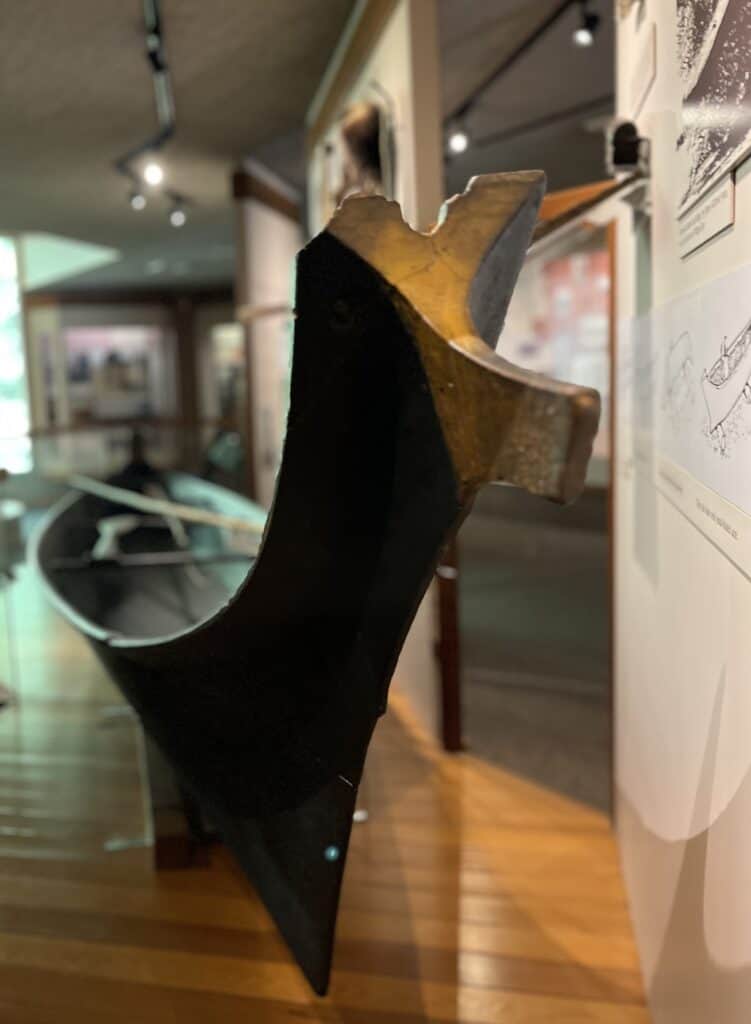
What was Oregon Country? Oregon Country was the name commonly used for the Pacific Northwest territory contested by the United States and Britain during the early 1800s, encompassing present-day Oregon, Washington, Idaho, and portions of surrounding regions.
1. Cape Perpetua: Exploring Oregon’s Early Maritime History
Spain was the first European country to claim Oregon as its own. But its claim merely rested on the fact that it was the first nation to explore its shoreline.
As Spain’s power declined, Great Britain sent Sir Frances Drake (1579) and Captain James Cook (1778) to explore Oregon’s coastline.
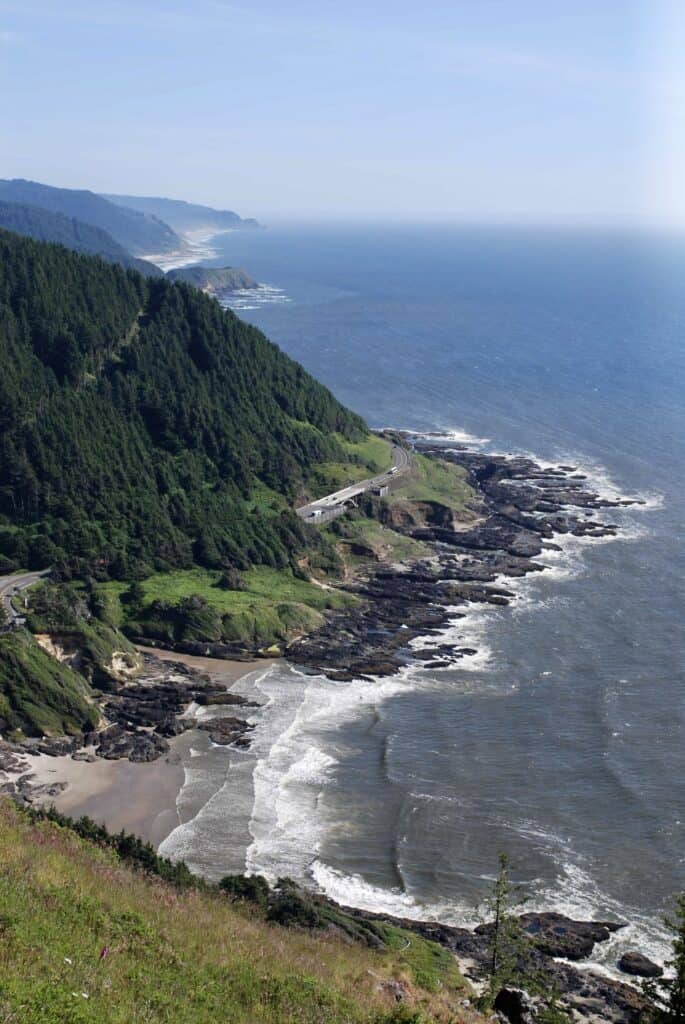
Two prominent headlands still bear names given by Cook: Cape Foulweather and Cape Perpetua. Cook noticed Cape Perpetua on the feast day of St. Perpetua, an early Christian martyr.
Cape Perpetua is an intriguing place to visit. This rugged part of the central coast is largely undeveloped. It isn’t hard to imagine what it was like when Cook arrived here.
- Where to go: Cape Perpetua Scenic Area
- What to do: overlook and hiking trails
- Time: 2-3 hours if hiking
Map of Oregon Country Historic Sites
2. Lewis & Clark National Historic Trail: Following the Corps of Discovery Through Oregon
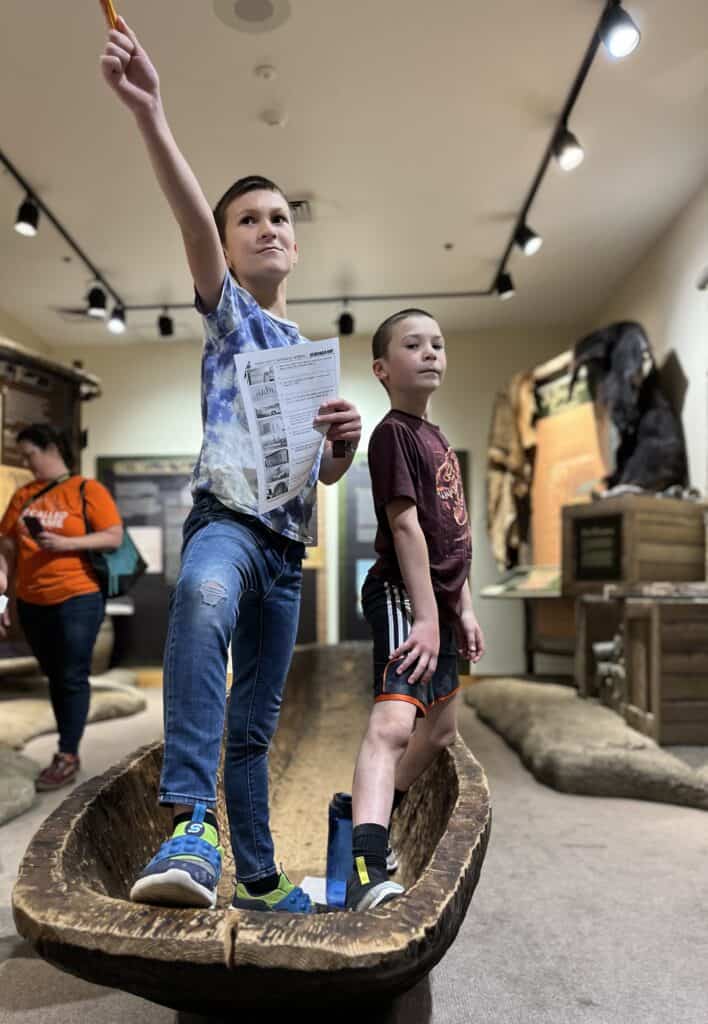
The journey of Lewis and Clark captures the imagination. Few stories hold the drama and magic of the West as this epic westward quest. Our family has enjoyed following Lewis & Clark across Oregon from the comfort of our NV3500 Van.
The Lewis & Clark NHT follows the Corps of Discovery in its epic journey across the American West. The trail traces the Corps’ origins, beginning in Pittsburgh, Pennsylvania, and journeys westward to its climax on the Oregon Coast. From there, it follows the Corps’ return route to St. Louis, Missouri.
Oregon’s stretch of the trail is remarkable. The Dalles, the Columbia River Gorge, and Cannon Beach are all stops along the Lewis & Clark NHT.
- Where to go: Fort Clatsop, the Columbia Gorge Discovery Center, Ecola State Park
- What to see: reconstructed forts, interpretive center, museum, historic sites
- Time: 2-4 hours per site
3. Astoria: Where the Struggle for Oregon Country Reached the Pacific
The struggle for Oregon started on the Oregon Coast. In the late 1700s, European and American ships routinely visited Oregon to explore and to trade with Indigenous tribes. Traders were especially keen on obtaining otter furs, which they could trade in China for high prices.
Nations were intent on finding the “Great River of the West”. Whoever found this theoretical river might be able to find a Northwest Passage through the continent. Such a discovery would also add legitimacy to their claim on Oregon Country.
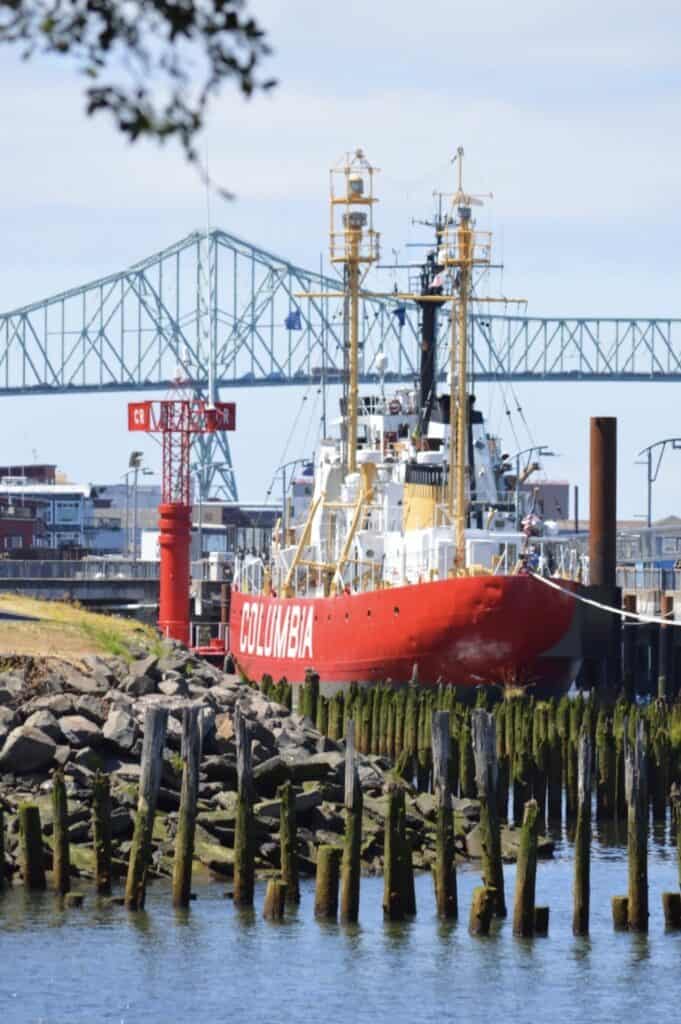
Surprisingly, a Great River actually existed! It was discovered by the American Captain Robert Gray in 1792. Gray named it the Columbia after his ship.
American and British contingents soon made it their goal to settle at the mouth of the Columbia. Lewis & Clark established Fort Clatsop in 1805, while the Astoria expedition established Fort Astoria in 1811. The British took control of Fort Astoria in 1813, and that’s just the beginning!
Needless to say, Astoria is the place to go for history.
- Where to go: Columbia River Maritime Museum, Fort Stevens State Park
- What to do: museum exploration, hiking trails, South Jetty
- Time: 4 hours per site
4. Fort Vancouver: Headquarters of the Hudson’s Bay Company in the Pacific Northwest
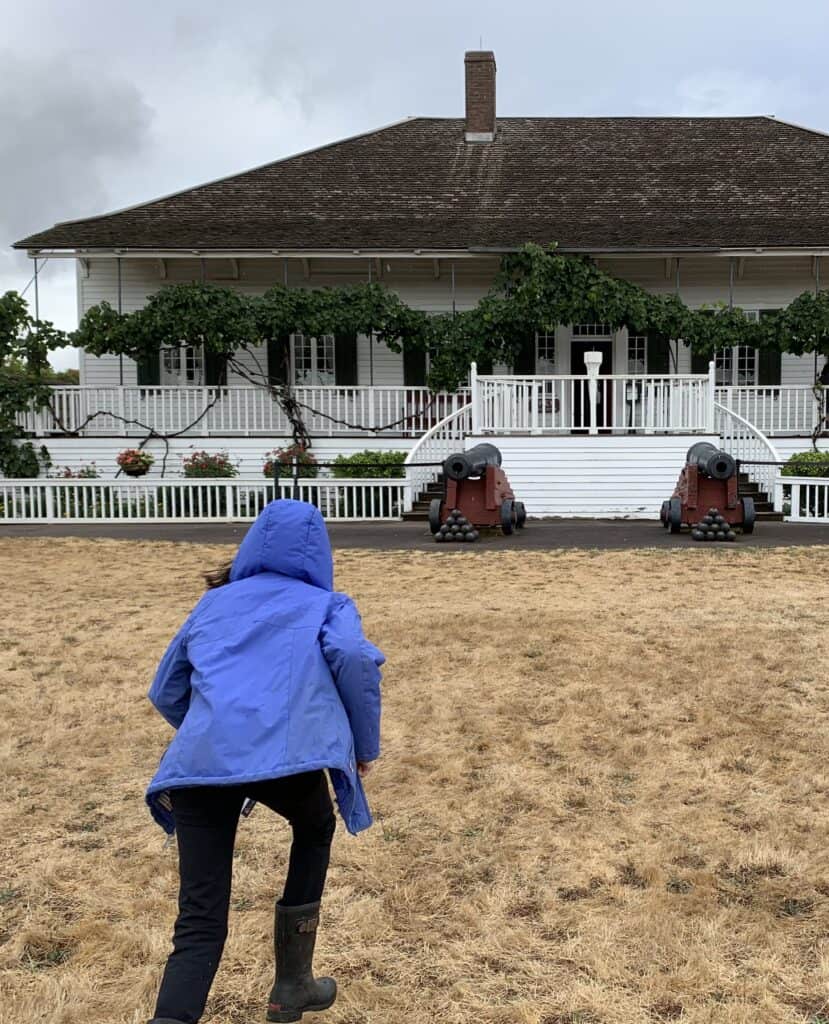
For 25 years, the British-chartered Hudson Bay Company dominated the Pacific Northwest. This powerful fur-trading company was the de facto political and economic power across this vast region.
Fort Vancouver was the base of operations for the HBC. The fort was strategically built on what is now the Washington side of the Columbia River. In its day, the Fort was an enormous operation and a cultural melting pot.
The fort was also the starting point for expeditions and settlement efforts across the Pacific Northwest. The modern city of Vancouver is the direct descendant of Fort Vancouver.
- Where to go: Fort Vancouver NHS (Vancouver, WA)
- What to do: explore the reconstructed fort
- Time: 4 hours
5. French Prairie: The Quiet Countryside Where Oregon Government Began

You’ll have difficulty finding French Prairie on a map, but this unassuming countryside is the birthplace of modern Oregon. French Prairie is a region northeast of the Salem metro area that is home to some of Oregon’s oldest towns.
St. Paul, St. Louis, and Champoeg were originally settled by French fur trappers retired from the Hudson Bay Company. Eventually, American missionaries and settlers established a strong presence in the area. Soon, they formed their own government independent of the Hudson Bay Company.
- Where to go: Champoeg State Park
- What to do: Visitor Center and hiking trails
- Time: 1-2 hours
6. Salem: From Mission Settlement to Oregon’s Capital
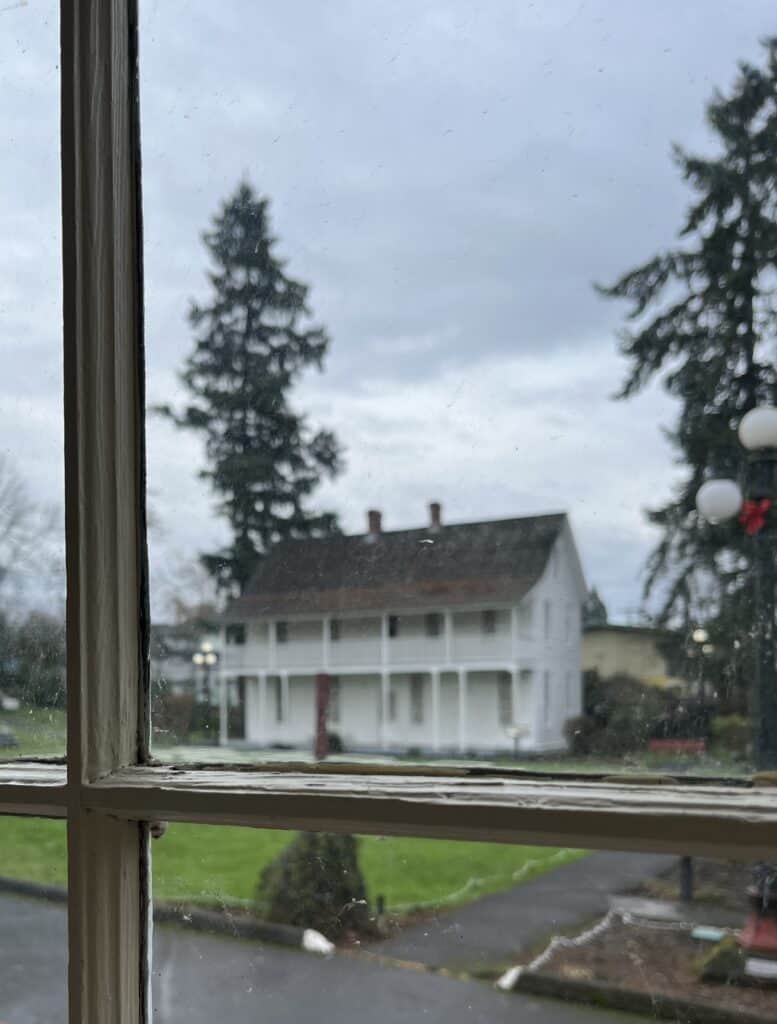
The first American to settle in Oregon was Jason Lee, a Protestant missionary. Lee arrived in 1834 and established a mission just south of French Prairie. After repeated floods, Lee moved his mission south to higher ground. By 1851, Lee’s mission had grown into the territorial capital of Oregon Territory: Salem.
Today you can visit the Lee’s initial mission site at Willamette Mission State Park. You can also tour the later mission at Willamette Heritage Center. But don’t stop there. Salem is rich with historical sites of all shapes and sizes.
- Where to go: Willamette Heritage Center, Willamette Mission State Park
- What to do: historic buildings and interpretive center, walking paths
- Time: 3 hours at WHC, 1 hour at Willamette Mission SP
7. Port Orford and Battle Rock: A Difficult Chapter of Oregon Coast History
In 1851, William Techenor landed settlers and supplies in present-day Port Orford. The Indigenous Tituni tribe had other plans and drove the settlers onto an outcropping today known as Battle Rock.
After two weeks, the nine survivors snuck away under cover of darkness and fled north to Umpqua City. It would be five more years before Port Orford was finally founded.
By 1857, Port Orford was the shipping base for the forced removal of the Rogue River Tribes. Around 1,200 people were forcibly marched to Port Orford to be shipped North to the Coast Reservation. They were kept in open pens like cattle as they awaited transport via the Steamship Columbia.
- Where to go: Battle Rock Wayside Park, Port Orford Heads State Park
- What to do: Visitor Centers, walk the beach and trails
- Time: 2-3 hours
Exploring Oregon’s Story
Oregon’s history is scattered across coastlines, forts, old settlements, farms, trails, and river valleys. We have visited all of these places with our kids (linked in each section), and each one is family-friendly and fascinating.
Visiting these places makes the story much easier to understand. Instead of simply reading about Oregon Country, you can stand beside the Columbia River, walk through a reconstructed fort, explore an old mission site, or look across the same rugged coastline that explorers encountered centuries ago.
©️ Copyright Brian A. Warren 2026.
What are some of the best historic sites to visit in Oregon?
Oregon has historic sites connected to Indigenous history, maritime exploration, Lewis and Clark, the fur trade, missionary settlements, westward migration, and the development of Oregon Territory.
Some particularly interesting places include Cape Perpetua, Astoria, Fort Vancouver, French Prairie, Salem, and Port Orford.
What was Oregon called before it became a state?
Much of the Pacific Northwest was commonly known to Americans and Europeans as Oregon Country during the early nineteenth century.
The boundaries and political control of the region changed over time before Oregon Territory was formally established in 1848. Oregon became a state in 1859.
Which countries claimed Oregon Country?
The United States, Great Britain, Spain, and Russia all asserted claims or interests in portions of the Pacific Northwest during the eighteenth and early nineteenth centuries.
These foreign claims existed alongside the much older presence of Indigenous nations who had occupied and governed their homelands for generations.
Where can you learn about Lewis and Clark in Oregon?
Several Oregon destinations preserve places connected with the Lewis and Clark Expedition.
Travelers can follow portions of the Lewis and Clark National Historic Trail through the Columbia River Gorge, visit sites near the mouth of the Columbia River, and explore locations along the northern Oregon Coast associated with the Corps of Discovery.
Where can families learn about Oregon history?
Families can experience Oregon history at national historic sites, state parks, museums, historic forts, heritage centers, and preserved landscapes throughout the state.
Many of these places combine outdoor exploration with historic exhibits, making them especially useful for families who prefer hands-on learning over traditional museums.