Beyond its famous beaches, Oregon’s coastline holds ancient ghost forests, enormous sea caves, towering dunes, mysterious trees, and cliffs that seem almost too colorful to be real. Some of these places attract visitors from around the world. Others remain surprisingly unknown, even to lifelong Oregonians.
Our family has explored the Oregon Coast from the mouth of the Columbia River to Redwood country. Along the way, we’ve encountered landscapes and landmarks unlike anything else in the Pacific Northwest.
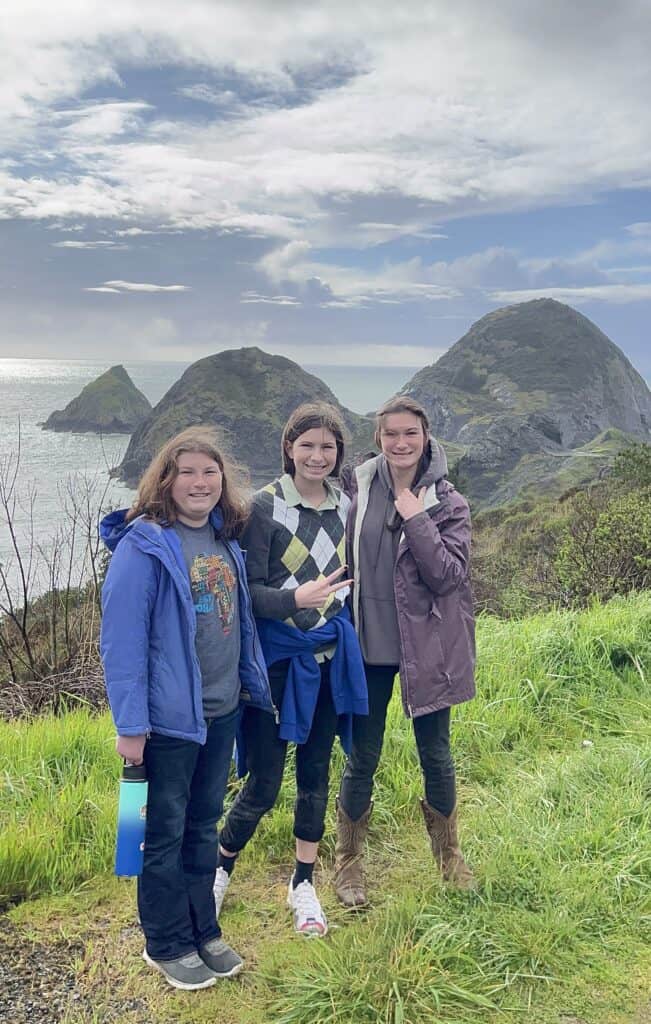
These 13 natural wonders of the Oregon Coast include family-friendly stops, remote coastal landscapes, and a few places that require extra caution. Each one reveals another side of Oregon’s wild and remarkable coastline.
Let’s begin with one of its best-kept secrets.
Table of Contents
1. The Blacklock Cliffs
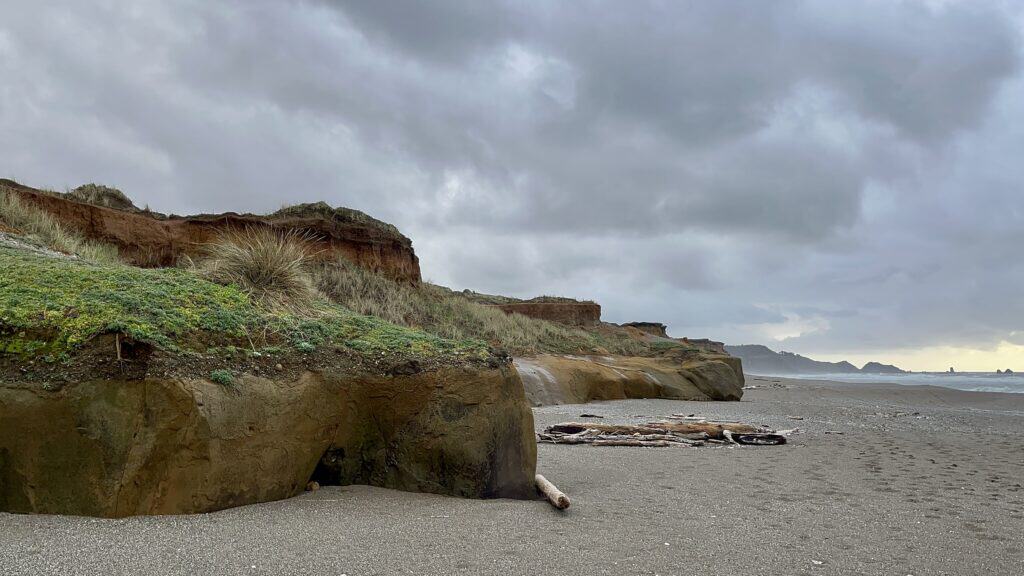
The Blacklock Cliffs are a marvel of color and texture. Golden bluffs rise dramatically out of a steel gray shoreline in a wild contrast of hues and forms.
Our family was amazed at the beauty and remoteness of the Blacklock Cliffs. Few places on the Oregon Coast are as unknown as they are wonderful.
The Blacklock Cliffs can be found at Floras Lake State Natural Area, near Port Orford.
- Where to go: Floras Lake State Natural Area, Port Orford
- What to do: explore the beach and coves
- Time: 2-3 hours
Map of the 13 Oregon Coast Natural Wonders
2. The Neskowin Ghost Forest
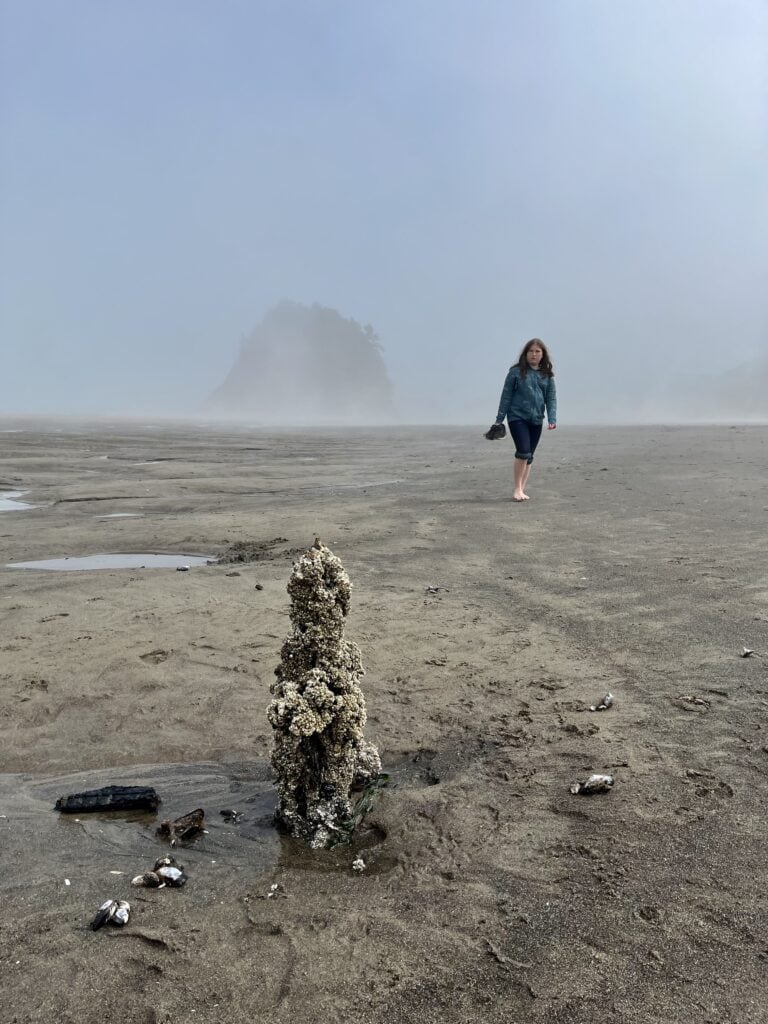
The Neskowin Ghost Forest is the sunken remains of an ancient forest drowned by the sea. This forest likely succumbed to the waves after an earthquake forced its base below the water table. Saltwater killed the trees while dunes gradually buried the forest.
In 1997, storms unearthed this eerie wasteland. Many of these Sitka Spruce stumps are over 2000 years old.
The Neskowin Ghost Forest can be found at the south end of Neskowin Beach State Recreation Site.
- Where to go: Neskowin Beach State Recreation Area, Neskowin.
- What to do: Explore the Ghost Forest
- 1 hour
3. Sisters Rock State Park
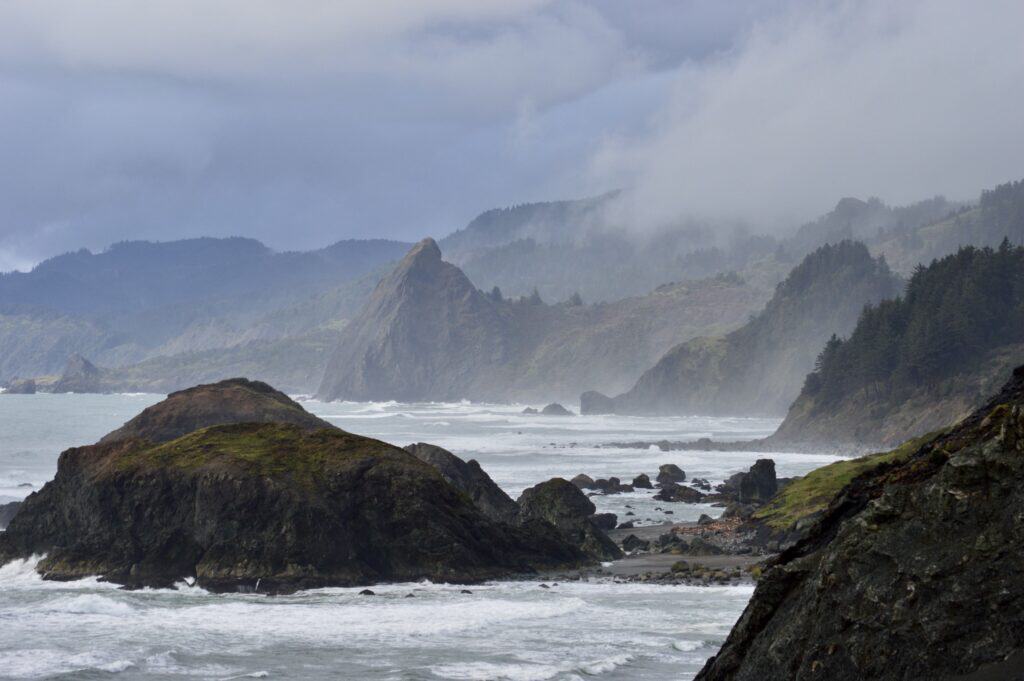
Southern Oregon holds the most verdant and dramatic landscapes on the Oregon Coast. This rugged beauty is on full display at Sisters Rock State Park.
Sisters Rock State Park is bursting with life and vitality. Its dramatic headlands and cliffs bear a foreboding beauty.
You’ll find Sisters State Park 13 miles south of Port Orford. This park is remote and offers no services whatsoever so be sure to come prepared.
- Where to go: Sisters Rock State Park, Port Orford
- What to do: Hike and explore tide pools
- 1 hour
4. The Rockaway Beach Cedar
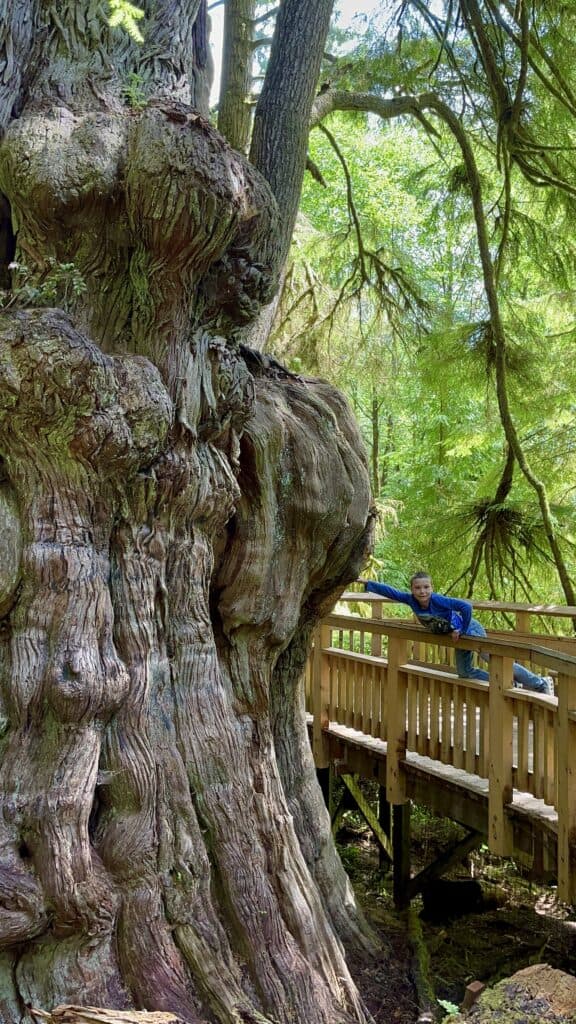
At fifty feet in circumference, the Rockaway Beach Red Cedar is a genuine marvel. This massive tree is estimated to be between 500 and 1200 years old.
The Red Cedar is the centerpiece of an old-growth forest located just south of Rockaway Beach. Visit this forest and its incredible giant at Rockaway Beach Old Growth Cedar Preserve.
- Where to go: Rockaway Beach Old Growth Cedar Preserve
- What to do: Hike and visit the Rockaway Beach Red Cedar
- Time: 1 hour
5. Cannon Beach
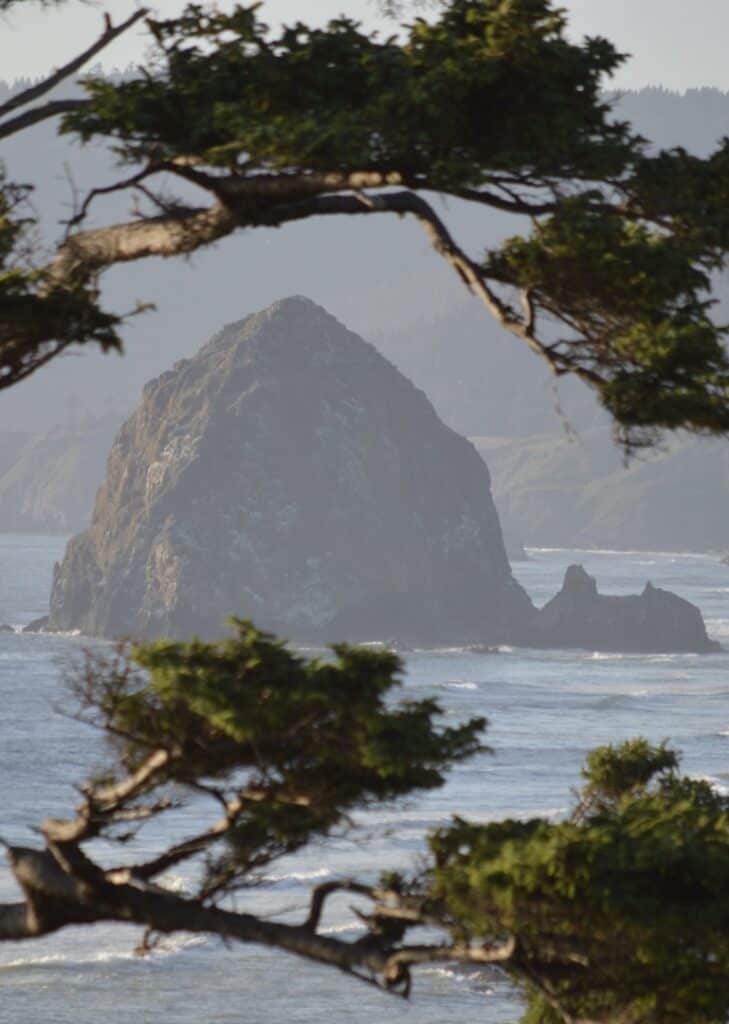
There’s a reason why Cannon Beach is one of Oregon’s most photographed locations. The majesty of Haystack Rock towering over misty Cannon Beach evokes a wonder that’s hard to forget.
Visit Ecola State Park to take in Cannon Beach in its full splendor. While your there, be sure to visit historic and beautiful Indian Beach.
- Where to go: Tolovana Beach State Recreation Site, Cannon Beach
- What to do: Walk the beach and explore tide pools.
- Time: 2 hours
6. The Oregon Dunes
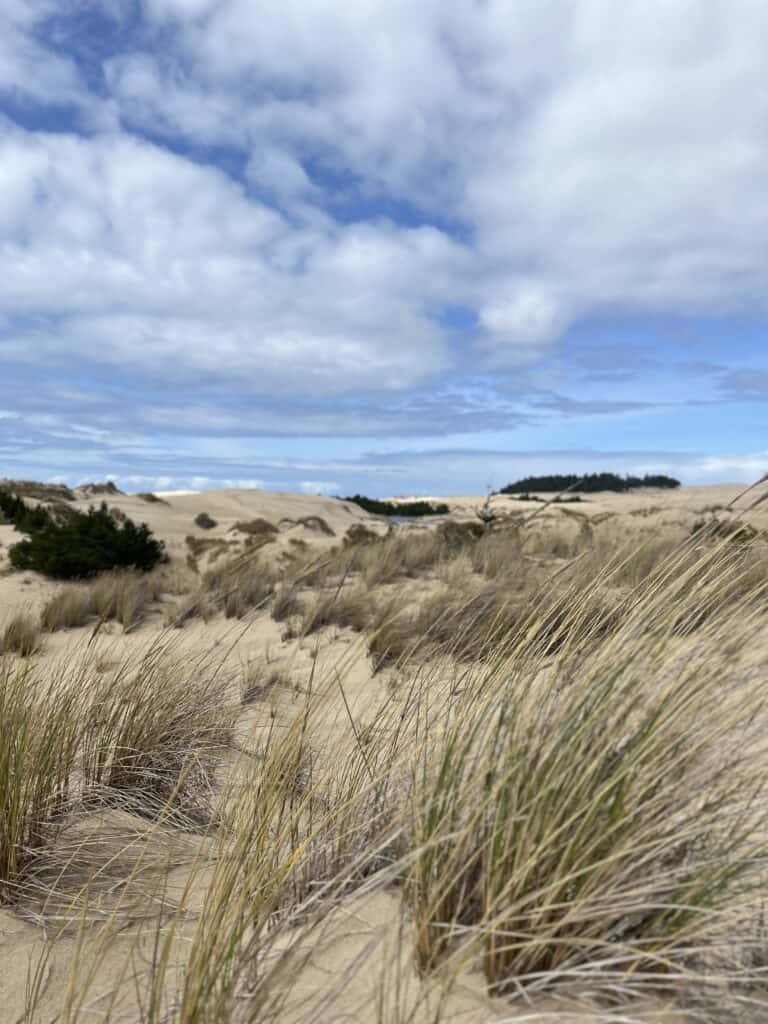
The Oregon Coast holds one of the strangest environments on Earth: the temperate coastal Dune ecosystem. You can hike amid a sea of sand and visit tree islands in this otherworldly wonder.
I enjoyed admiring the amazing patterns that rainwater created on these dunes. Our children enjoyed earning their Jr. Ranger Badges that we picked up from the Suislaw USFS interpretive center.
- Where to go: Oregon Dunes Day Use Area, Gardiner
- What to do: hiking and exploration
- Time: 2-3 hours
7. The Mouth of the Columbia
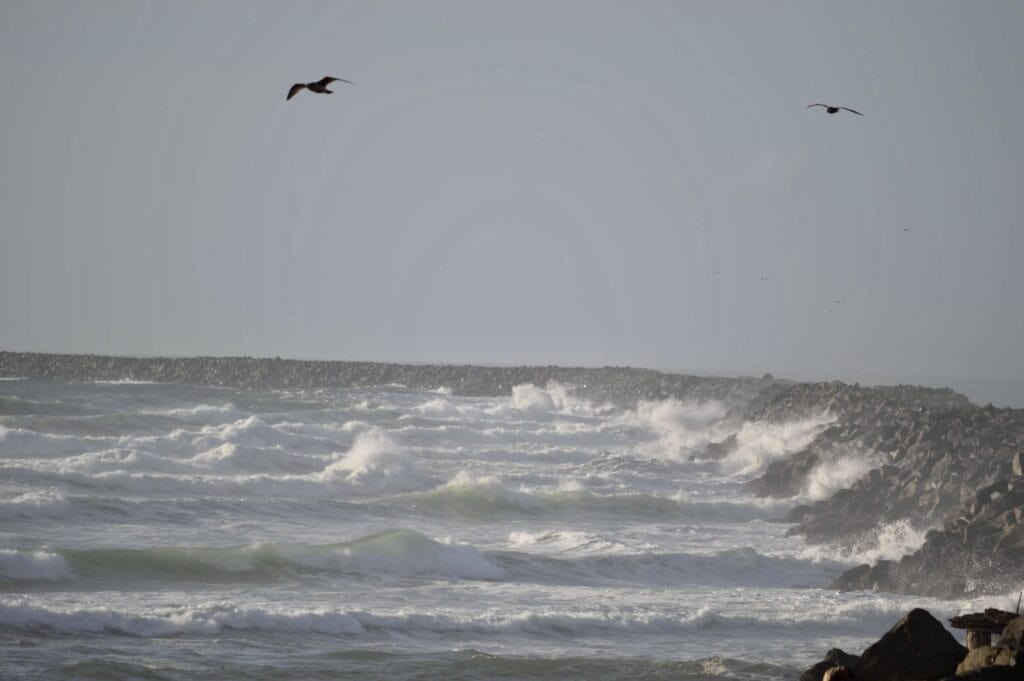
What compares to the power of the Great River of the West? Watching the Columbia River empty into the Pacific Ocean was incredible.
You can experience this for yourself by visiting Fort Stevens State Park. Climb the stairs to the observation deck and be sure to hold onto your hat!
- Where to go: Fort Stevens State Park, Warrenton
- What to do: Watch from the observation tower
- Time: 30 minutes
8. Redwood Driftwood
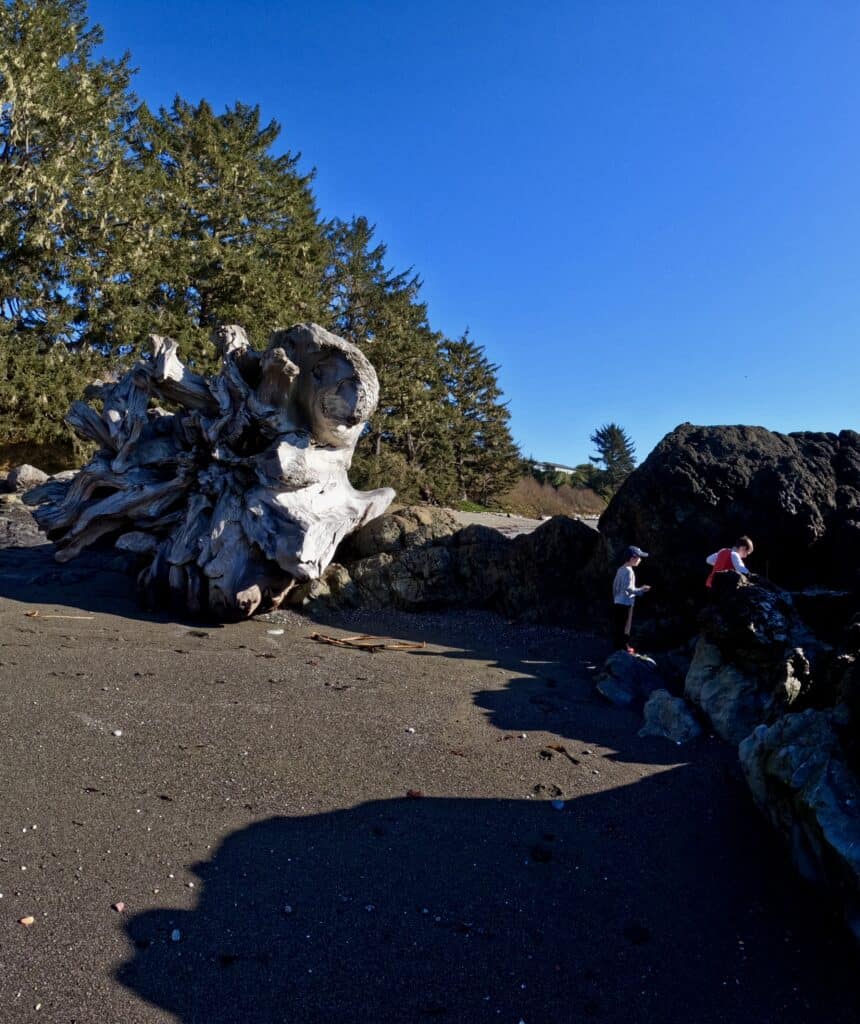
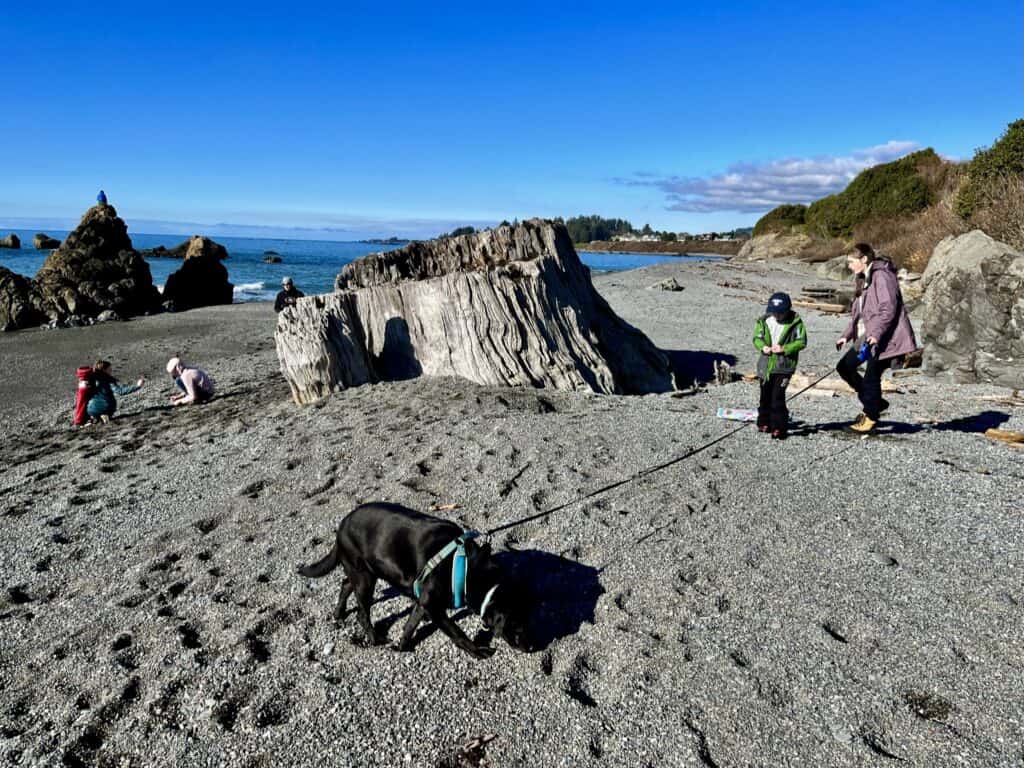
You haven’t seen driftwood until you’ve seen it in Redwood country. We were astonished by the massive Redwood remnants that we found at McVay Rock State Recreation Site.
One of these was a bleached stump that sits resolutely in the shoreline. The hollowed-out center could easily fit both my son and I. Only yards away rests a lower trunk piece that rivaled nearby boulders!
- Where to go: McVay Rock State Recreation Site, Brookings
- What to do: explore, rockhound, and watch wildlife
- Time: 3 hours
9. Cape Kiwanda State Natural Area
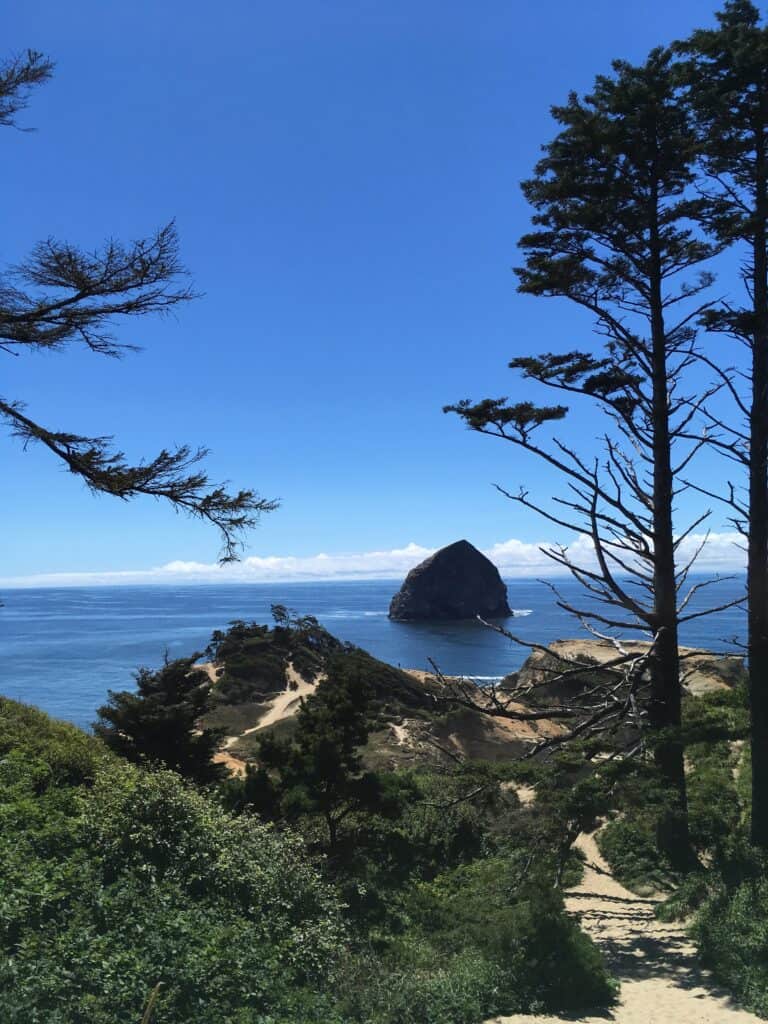
Cape Kiwanda is a place of many wonders. First, there’s Chief Kiwanda Rock, an enormous outcropping that rivals Cannon Beach’s Haystack Rock.
Then there’s The Dune. You won’t miss it, because it’s the only one and it’s a juggernaut.
I love watching people try to scramble up the face of this monster. Don’t bother climbing straight up.
Instead, walk west across the base of the Dune and take the trail that runs along its edge. The trail skirts the Cape’s bluff and provides easy access to the tree island on the top of the dune.
You’ll find Cape Kiwanda State Natural Area next to Pacific City.
- Where to go: Cape Kiwanda State Natural Area, Pacific City
- What to do: hike and explore tide pools
- Time: 4 hours
10. The Octopus Tree
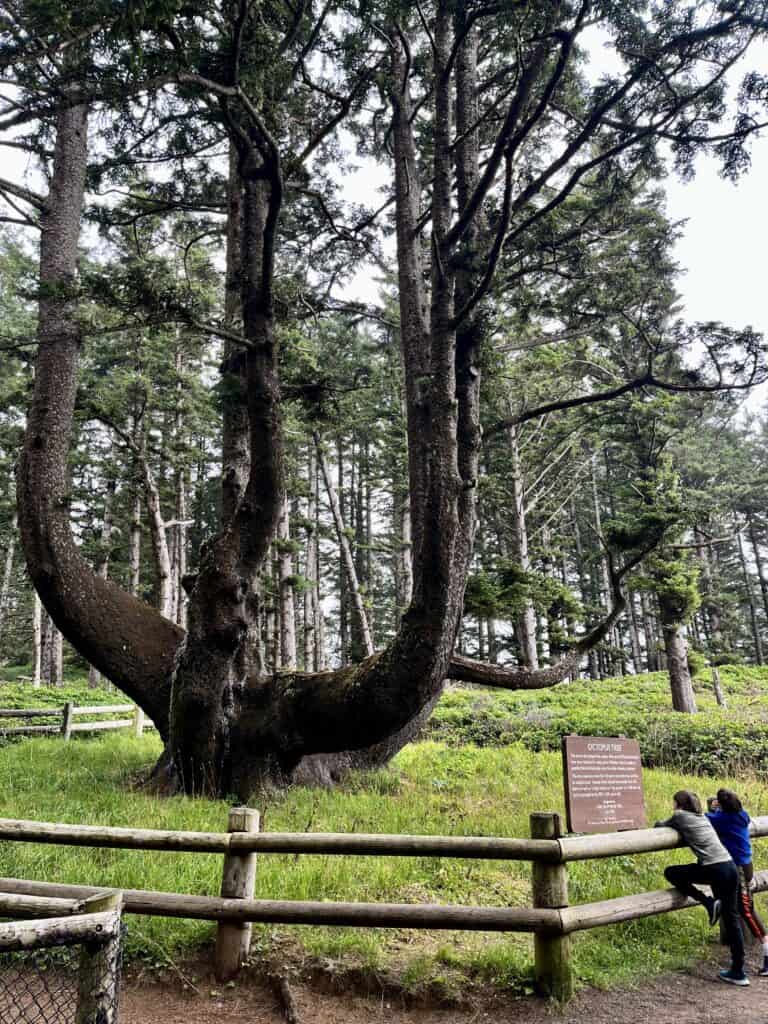
The Octopus Tree is the oddest natural wonder on the Oregon Coast. This Sitka Spruce lacks a main trunk. Instead, its branches have developed into massive trees in their own right. How the tree formed this way is still unknown.
The tree’s base is more than 14 feet in diameter. Its limbs extend 30 feet before turning upward. The Octopus Tree is 105 feet tall, around 250 years old, and a complete mystery.
The Octopus Tree can be found at Cape Meares State Scenic Viewpoint in Tillamook.
- Where to go: Cape Meares State Scenic Viewpoint, Tillamook
- What to do: see Octopus Tree and hiking trails
- Time: 1 hour
11. The Astoria Rhododendrons
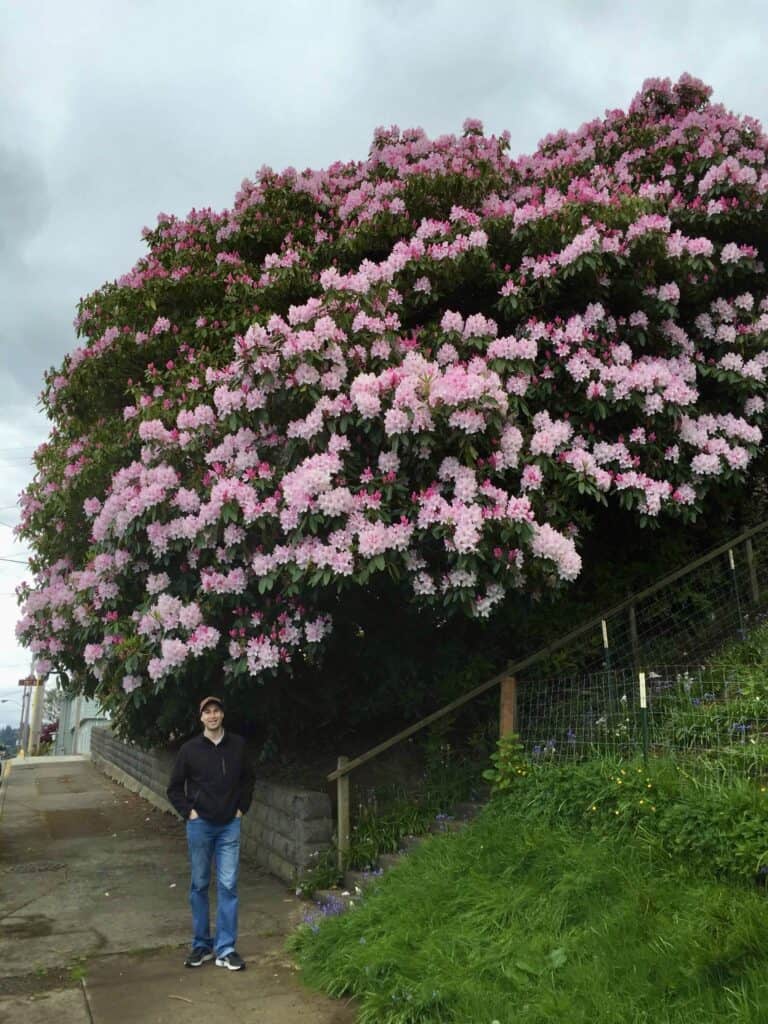
I was shocked when I first encountered the Astoria rhododendrons. These 150-year-old shrubs are large enough to host a small car beneath their branches.
The Astoria rhododendrons are on Exchange Street across from the historic location of Fort Astoria and the current location of Fort George Brewery. They typically bloom in late spring between May and June.
- Where to go: Exchange Street, near the intersection of Exchange Street and Fifteenth Street.
- What to do: Admire the Rhodies and check out Fort Astoria Park.
- Time: 30 minutes
12. Thor’s Well
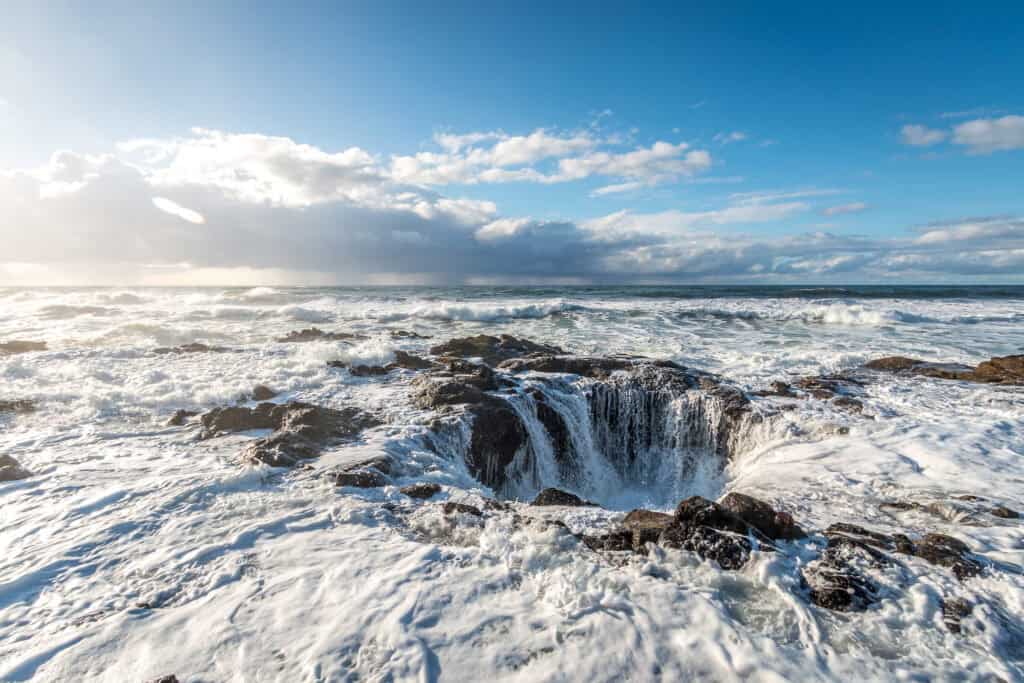
Few landmarks are as captivating as Thor’s Well. This “Drainpipe of the Pacific” appears to drain the ocean away.
Thor’s Well consists of a hole that is around 14 feet wide and 20 feet deep. It appears that the roof of a sea cave collapsed, exposing the hole we now know as Thor’s Well.
The sight of powerful tides draining and surging makes Thor’s Well a truly rewarding experience. But exercise caution, as the violent waves are very dangerous.
Thor’s Well can be found at Cape Perpetua Scenic Area near Yachats. It’s best to visit Thor’s Well about one hour before high tide.
- Where to go: Cape Perpetua Scenic Area, Yachats
- What to do: Watch the tide in Thor’s Well, hike Cape Perpetua
- Time: 3 hours
13. The Sea Lion Caves
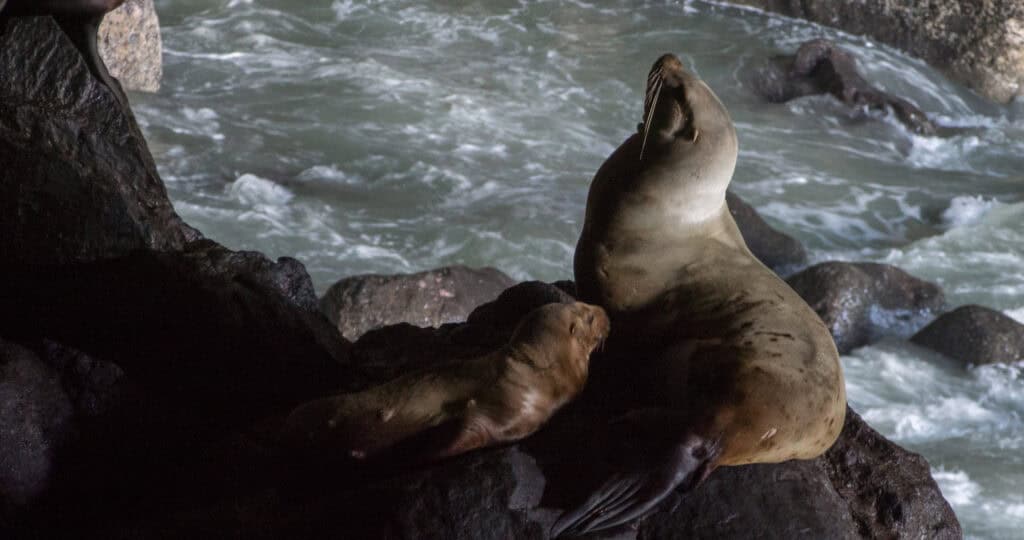
The Sea Lion Caves are more than meets the eye. This sea cave happens to be the largest sea cave in the United States.
How big is that? A football field in length and over 12 stories in height!
The enormous cave is home to one of the largest sea lion rookeries on the Pacific Coast. More than 200 Steller sea lions live year-round in the caves.
The cave’s population peaks in the winter months, so plan to visit sometime between late November and early April. The Sea Lion Caves can be found North of Florence and not far from the beautiful Heceta Head Lighthouse.
- Where to go: The Sea Lion Caves, Florence
- What to do: Explore the cave and watch the sea lions
- Time: 2 hours
The best Oregon Coast Natural Wonders
The Oregon Coast always has another mystery waiting around the next headland. Here you can stand beside a 2,000-year-old ghost forest, peer into the largest sea cave in the United States, walk through a temperate coastal dune ecosystem, and visit a tree that no one can fully explain.
Some of these Oregon Coast natural wonders are easy roadside stops. Others reward families who are willing to venture beyond the better-known beaches.
Ready to explore more of the People’s Coast?
Start planning your trip with our guide to 13 things to do on the Southern Oregon Coast with Kids. Families exploring the northern coastline will also enjoy our guide to the 21 Best Beaches in Northern Oregon and our Family-Friendly Day in Astoria, Oregon itinerary.
Heading to Cape Kiwanda? Read our guide to 27 Ways to Enjoy Pacific City, Oregon, With Kids. Rockhounds should also visit our guide to Agate Beaches in Oregon for more remarkable places hiding along the shoreline.
What are the best natural wonders on the Oregon Coast?
The best natural wonders on the Oregon Coast include Cannon Beach, Thor’s Well, the Neskowin Ghost Forest, the Oregon Dunes, the Blacklock Cliffs, the Octopus Tree, and the Sea Lion Caves. Together, these landmarks reveal just how varied the coastline can be.
Which Oregon Coast natural wonders are best for families?
Cannon Beach, the Octopus Tree, Fort Stevens State Park, the Oregon Dunes, and the Sea Lion Caves are some of the best Oregon Coast natural wonders for families. These destinations combine remarkable scenery with relatively straightforward access and plenty to interest children.
What is the best time of year to explore the Oregon Coast?
June through September is usually the easiest time to explore the Oregon Coast. Summer generally brings milder temperatures, less rainfall, and longer days for hiking and sightseeing.
When is the best time to visit Thor’s Well?
The best time to visit Thor’s Well is about one hour before high tide. Arriving early allows you to watch the well gradually fill as the tide rises. The display becomes most dramatic around high tide, when waves surge across the rocks and pour into the opening.
©️ Copyright Brian A. Warren 2026