
If you’re trying to figure out how to talk to middle schoolers about dating and relationships, you’re not alone. I have two sons in middle school, and three girls in high school and college, so I’ve watched the shift happen several times.
The preteen and early teen years are when crushes get louder. Group chats get complicated and can be a source of drama. “Dating” starts showing up in conversations and middle school dances are suddenly a THING!
Table of Contents
A practical, faith-based guide for Christian parents
As a parent, it can feel early. It can feel overwhelming. Frankly, most of us feel unprepared and it’s easy to panic. I know I’ve had some personal “freaking out” moments!
However it’s possible to navigate these conversations with calm and intention. Remember that for Christian parents, our goal isn’t just managing behavior. We’re helping our kids form their identity.
Why middle school relationships feels so intense
Middle school and early high school are identity-forming years (Psychology Today). As kids’ bodies change, so do their emotions and thought processes. Social awareness explodes and peers start to become more important than parents.

Why some kids start dating in the preteen years
When someone likes your child, it feels good. They feel chosen, wanted, important, and special. It’s important for parents to remember that the desire to feel special and wanted isn’t wrong – it’s a normal human need.
Most middle school relationships don’t last long term. That’s not because kids are careless or ignorant, but because they’re still becoming who they are.
A lesson plan for kids ages 11-14
If we want to help our kids and teens navigate this season well, our goal isn’t to shame curiosity.
The goal is to help them anchor identity first.
I created a lesson plan to share with middle school students about dating, boundaries and relationships. Feel free to use this as a framework to teach your kids and teens.
Step 1: start with identity in Christ
Before you talk about dating boundaries for middle school, talk about identity.
Ask:
- Who does God say you are?
- What makes you valuable?
- Where does your worth come from?
Ground the conversation in Scripture.
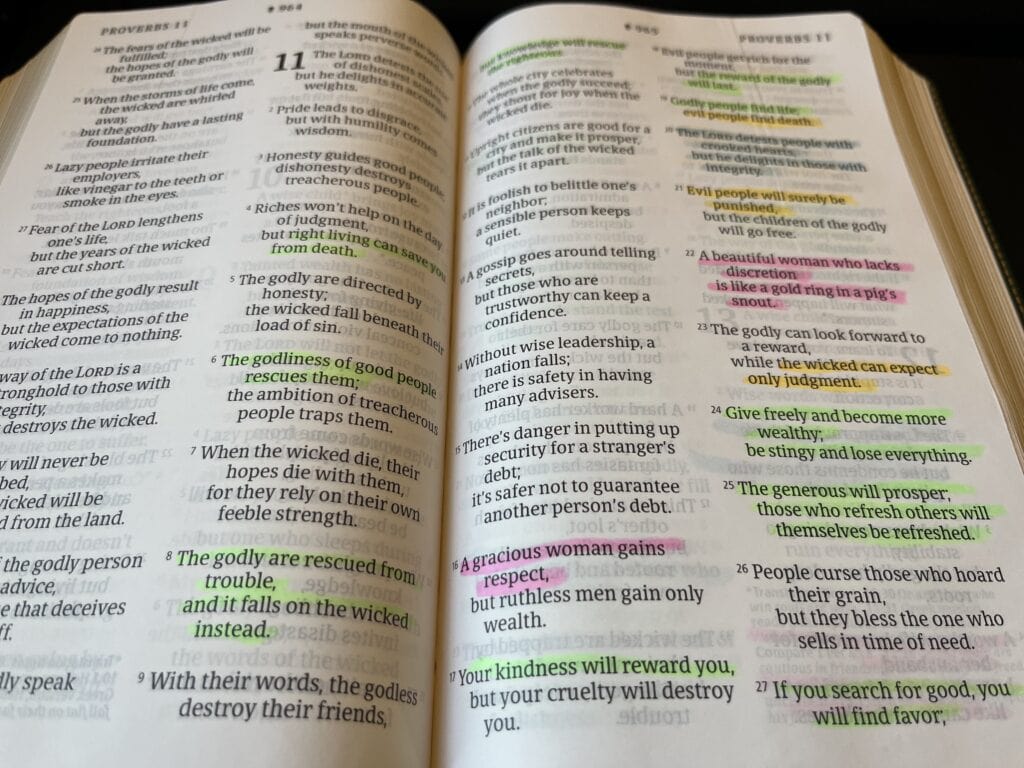
In 1 Corinthians 13:4–7, love is patient and kind. It does not envy. It does not boast. It does not insist on its own way.
Then ask:
- Does love pressure?
- Does love isolate?
- Does love make you anxious?
Help them see the difference between cultural romance and biblical love. I’ve found that talking about examples from movies, books, social media and music is a great starting point. Discuss how popular media portrays relationships and dating, or ask them what they’ve heard from friends at school.
Step 2: ask why middle schoolers might want to date
Instead of lecturing, ask curious questions.
- What do you think dating is?
- Why do people want a boyfriend or girlfriend?
- What would you hope to feel in a relationship?
Often the answers are simple: they want to feel special, included, important. Affirm to your kids that those are real, healthy needs.
Then gently say: “You don’t need a relationship to meet those needs.
Our friendships, our family, and our church community are stable places to grow and meet our emotional needs. God has designed us to exist in community.”
Healthy preteen relationships at this age look like group settings, shared interests, and deep friendships with both genders. Encourage your middle schooler to spend time learning who they are and trying new things to find out what they like and don’t like.
Step 3: teach consent early and clearly
If you’re wondering how to approach teaching consent to preteens and teens, keep it simple.
Consent is a clear, enthusiastic, ongoing yes.
A helpful framework is F.R.I.E.S.:
- Freely given – No pressure.
- Reversible – You can change your mind.
- Informed – You understand what you’re agreeing to.
- Enthusiastic – Not “I guess.” A real yes.
- Specific – Yes to one thing isn’t yes to everything.
We don’t just teach “no means no.” We teach “yes means yes.” Consent is bigger than simply dating.
It applies to:
- Hugs
- Personal space
- Borrowing items
- Posting photos
- Physical affection
- Digital communication
Teach your child this: the person who wants to do something is responsible for getting permission. No one owes you access to their body, their phone, their time, or their attention. And you do not owe that access to anyone else.
We practice this in our family regularly. We ask: “Can I give you a hug?” When one of us needs space, we permit them to take time away. We knock before entering private spaces.
This is how we build healthy teen relationships rooted in respect. Parents and other adults need to demonstrate that a child’s boundaries and consent matter to them.

Step 4: set clear dating boundaries for middle school
When I was a middle schooler, the only instruction I received on dating was that I wasn’t allowed to date until I was 18 year old. As a result, I had to figure out most of it on my own, and my parents were shut out of the process.
I strongly recommend that you don’t “forbid everything” for your preteens or teens. Instead, if your middle schooler or early high schooler wants to date, talk through boundaries together.
Here are a few questions to start the discussion:
Physical boundaries
- What types of affection are off-limits?
- What does “too far” look like before you’re in the moment?
Digital boundaries
- Are passwords shared?
- Is constant texting expected?
- Are photos ever requested?
Emotional boundaries
- Is this relationship replacing friendships?
- Are you isolating from family?
- Are you feeling anxious more than peaceful?
Teach your child how to build healthy relationship habits:
- Encourage group hangouts or public settings.
- Encourage them to get to know the other family.
- Encourage openness with you.
If a relationship pulls your child away from God, from church, or from wise community, that’s information. Talk about what manipulation and emotional abuse looks like. Again, media examples can often be helpful here.
If the relationship isn’t working for some reason, teach them to move on sooner rather than later. Dragging out unhealthy dynamics leads to higher tolerance for abuse and dysfunction.
Step 5: share age-appropriate testimony

If you have personal experiences that shaped you, prayerfully consider sharing them with your children. If you’ve ever shown your kids a photo of yourself as a child, you’ve probably noticed how many questions it generated about your childhood. This can be an excellent conversation opportunity.
My own experiences
I’m passionate about helping kids and teens understand these things because I experienced abuse in middle school.
The abuse began subtly. It didn’t look dramatic or obvious from the outside. There were words that sounded like love from someone my family and I trusted. There were boundaries crossed that confused me.
I didn’t have language for manipulation and I certainly didn’t understand consent. I thought that because I didn’t run away or scream for help, it was somehow my fault (that’s actually a trauma response, by the way).
Sharing your story in a safe way
So I tell my kids and middle school students clearly:
“If someone pressures you, manipulates you, or ignores your boundaries, it is not your fault. If something has happened to you, you are not damaged.”
If you choose to share part of your own story, here’s some things to think about ahead of time.
Ask yourself:
- Can I share this without breaking down?
- Am I sharing to serve them, not process myself?
- Am I okay if my child/ student discloses something to me afterward?
If the answer to those is yes — then your story will carry tremendous weight. When parents speak calmly about hard things, children learn they can come to you. That may be the most protective thing you do.
Step 6: normalize growth over romance

Bring out your own middle school photo if you want. Remind your child that they are still becoming. Middle school is the perfect time for:
- Deep friendships
- Exploring interests
- Volunteering
- Building confidence
- Strengthening faith
Being “just friends” isn’t immature, it’s wise. Your preteen or teen doesn’t need a romantic relationship to be complete.
Know before you start: parent checklist (with resource links)
Before your child starts dating, ask yourself:
- Have we talked about identity in Christ?
- Have we clearly defined consent?
- Do they know their boundaries?
- Do they feel safe telling me hard things?
- Have we discussed digital safety?
- Have we talked about manipulation and pressure?
Even if they are already in a relationship, it’s not too late to begin talking about these things. Fear-based parenting won’t help; what will make a difference is open conversations and lots of listening.
Frequently Asked Questions
Is middle school too young to date?
Most experts agree that middle school relationships are typically short-term and exploratory. Focus on friendship and identity development first.
How do I talk about dating without encouraging it?
Stay calm, ask questions and listen to your child. Encourage their questions, and remember that curiosity doesn’t create behavior – secrecy does.
What if my child is already dating?
Don’t panic or shame them! Instead, invite conversation and help them to clarify their own boundaries, while also sharing your boundaries as the parent. Meet the other family if possible. Stay engaged.
How do I teach consent from a Christian perspective?
Consent is simply honoring the image of God in others. Respecting boundaries reflects Christlike love.
Encouragement for parents
When I shared this lesson with our middle school youth group kids, they were riveted. Not because I’m a fantastic storyteller or because I had perfectly timed jokes, but because I was real and vulnerable with them.
Your middle schooler wants to hear from you, and wants to know that their relationships matter to you. They are hungry for loving adults to come alongside them and engage them in conversations about real issues. Be that adult!
You may also appreciate these posts:
- What is Acquired Neurodivergence? Trauma and Neurodiversity
- 7 Tips to Encourage Good Sibling Relationships
- Ultimate Life Hacks, As Written By a Teen
- Self Care Ideas for Anxiety + Self-Care Box List
- No Contact with Toxic Family
©️ Copyright Jennifer D. Warren 2026