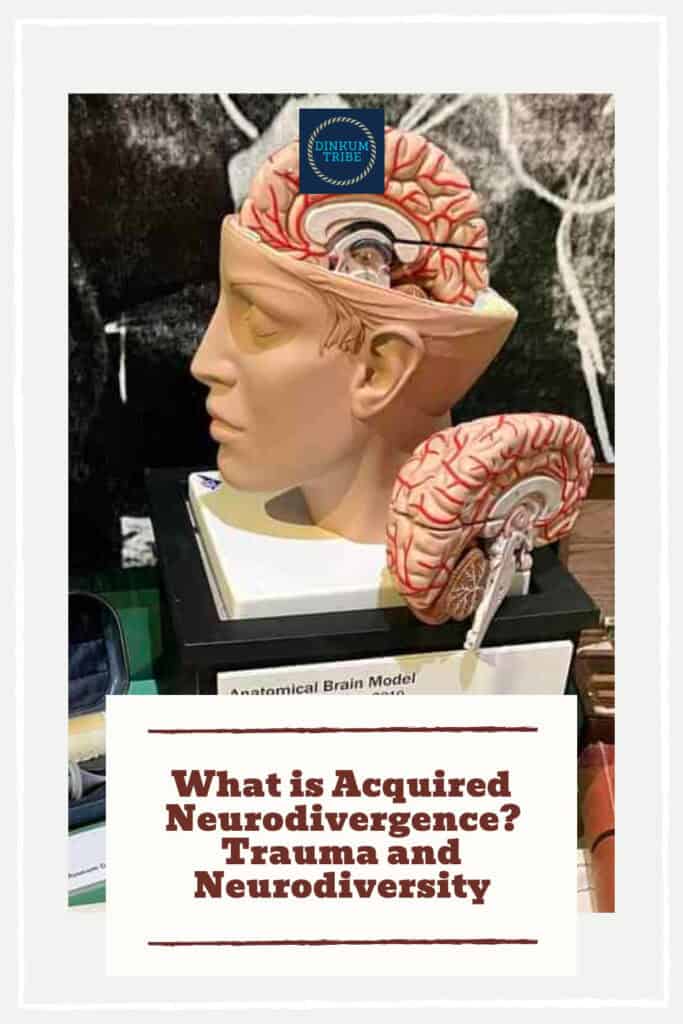
Today, inclusive education for students with disabilities is a goal across American public schools. But getting disabled kids into general education classrooms isn’t the same thing as making sure they can participate, learn, and belong.
Inclusive education means more than placing a disabled student in a general education classroom. Meaningful inclusion gives students access to appropriate instruction, accommodations and support while intentionally creating opportunities to participate, build relationships, and feel that they belong.
Author’s note: I work as a special education instructional assistant in an elementary school and am also the parent of neurodivergent children. Details about students I work with have been intentionally generalized to protect their privacy. This article reflects my personal experiences and interpretation of the research and is not individualized educational or legal advice.
Table of Contents
The troubled history of disability and neurodivergence in the United States

Inside a small building at the Oregon State Hospital, thousands of old copper canisters once sat stacked on simple wooden shelves. Each one held the cremated remains of a person.
More than 3,500 of those remains had never been claimed by family members. They belonged to people who had died at the Oregon State Hospital and several other Oregon institutions during much of the twentieth century.
When we visited the Oregon State Hospital Museum of Mental Health, that was one of the most moving exhibits. It’s difficult to look at that history without thinking about how thoroughly disabled people could once disappear from ordinary community life.
Education was part of that history, too. In 1970, American public schools educated only about one in five children with disabilities. Nearly 1.8 million disabled children were excluded from public schools entirely before federal special education protections were enacted.
Thankfully, things are very different now.
More than 8 million children were served under the Individuals with Disabilities Education Act (IDEA) in 2024 (US Department of Education). And in 2023, nearly 68% of school-age students receiving special education services spent at least 80% of their school day in a regular classroom, compared with about 33% in 1990.
That’s definite progress. But as both a parent of neurodivergent kids and a special education instructional assistant, I’ve learned that getting disabled kids into classrooms isn’t the same thing as including them.
A child can sit in the same classroom as everyone else and still feel like they don’t belong. A teen can receive excellent grades while quietly falling apart. A student can have an accommodation written into an IEP but avoid using it because they don’t want their classmates to think they’re different.
So, what does inclusive education actually mean?
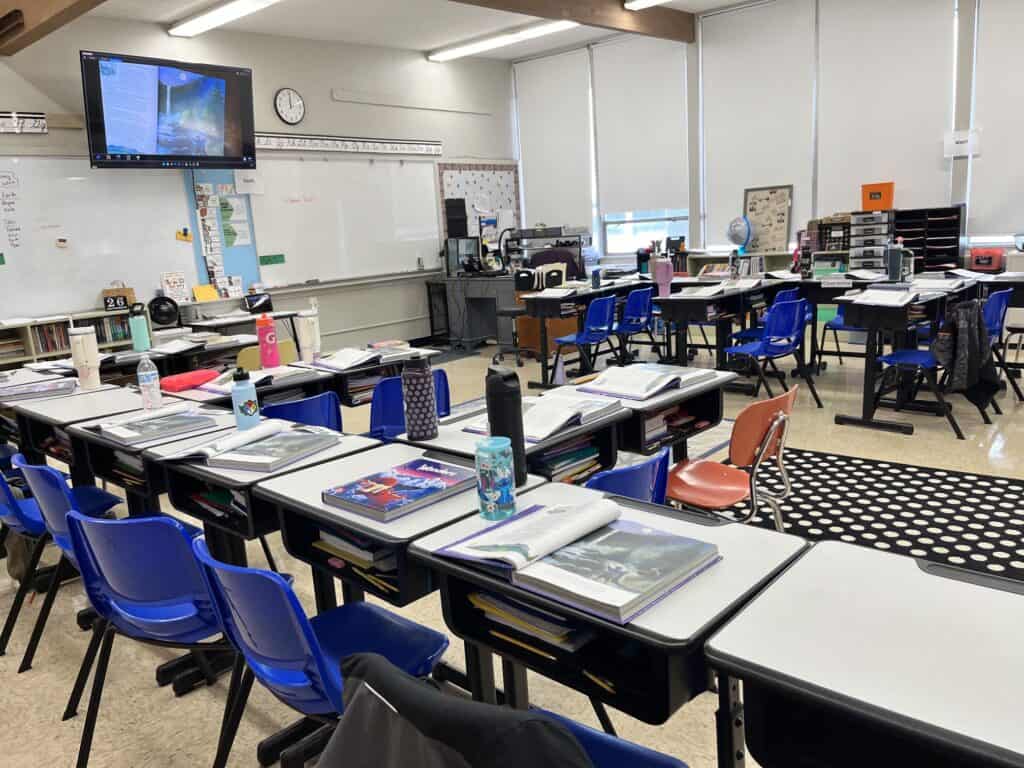
IDEA requires schools to educate children with disabilities alongside nondisabled children to the maximum extent appropriate. This is part of what federal law calls the least restrictive environment, or LRE.
Removal from the general education classroom is supposed to occur only when a child’s needs cannot be satisfactorily met there, even with supplementary aids and services. This doesn’t mean every disabled child belongs in a general education classroom every minute of every day.
Children are individuals. Some thrive in general education with accommodations. Some benefit from small groups, specialized instruction, resource rooms, or separate programs for part of the day.
The goal isn’t a particular room; the goal is an education that actually meets the child’s needs. That’s where the distinction between placement and inclusion becomes incredibly important.
Sometimes “doing well” isn’t the same as doing well
I learned this painfully with one of my own daughters.
On paper, she was doing beautifully. She was attending school online and earning excellent grades. If you looked only at her academic performance, there wasn’t an obvious problem.
But keeping up with the constant stream of assignments was exhausting her. She was anxious, overwhelmed and burned out. In her own words, she wasn’t sure she was going to make it through the school year.
When we raised our concerns with her teachers, they were kind and apologetic. But they also kept coming back to the same piece of evidence: Her grades were great.
From their perspective, the academics were working. The problem, they suggested, might have been the amount of time she was spending on screens outside her schoolwork.
What they couldn’t see was that the screen time wasn’t creating the anxiety – it was one of the ways she was trying to escape from it. The thing that looked like the problem was actually a coping mechanism. And the thing that looked like success (excellent grades) was hiding the real problem.
That experience changed the way I think about educational outcomes.
Grades are important. IEP goals are good. Test scores and graduation rates matter, too. But none of those things can tell us the whole story about whether a child is thriving.
Sometimes one accommodation changes everything
Another teacher showed us what a different approach could look like. My daughter was taking an advanced math class. The teacher allowed her extended time on assignments as long as she communicated beforehand when she needed it.
It wasn’t a dramatic intervention, and the high expectations didn’t disappear – the class wasn’t suddenly easy! My daughter still had to learn the material and complete the work, but having some flexibility removed an enormous amount of pressure.
Instead of constantly worrying about whether she could finish everything on exactly the same timeline as everyone else, she had room to communicate what she needed. The class became much less stressful, and she passed with flying colors.
That experience is one reason I think conversations about accommodations can go wrong when we treat them as a way of lowering expectations. The accommodation didn’t prevent my daughter from doing difficult work. It helped remove a barrier that was making the work unnecessarily difficult for her.
An accommodation doesn’t help if a child is afraid to use it

Working in an elementary school has shown me another side of this issue.
I’ve watched students who have access to noise-reducing or noise-cancelling headphones sit in painfully loud classrooms without them. The headphones are available, the teachers aren’t preventing the students from using them – they’re actually reminding the students that they can use them.
The accommodation exists, but some kids don’t want to put them on. Why? Because no one else is wearing headphones, and they don’t want to look different.
This is one of those situations where an accommodation can exist perfectly on paper while remaining almost useless in practice. If accessing the support a child needs also means publicly identifying themselves as “different,” some children will decide that fitting in is more important than being comfortable.
Adults may look at that student and think, Well, the headphones are available. They chose not to use them. We’re not seeing the whole picture. We also have to ask why using the support feels socially expensive.
Classmates are part of inclusion too
Several of my own children have experienced the uglier side of that social pressure. They’ve been called “freaks,” and other kids have used the word “autistic” as an insult.
Those experiences are painful for obvious reasons, and they tell us something important about inclusive education. We can’t just talk about what the teacher does and what accommodations the disabled student receives. The other kids in the room have a huge impact as well.
Children notice differences. They notice:
- who gets extra time
- who wears headphones
- who leaves the classroom
- who gets movement breaks
- who has modified assignments
- who has an adult sitting nearby
If we never help children understand why people may need different kinds of support, they can easily interpret accommodations as strange, embarrassing, or unfair.
The goal isn’t to disclose another child’s private disability information, it’s to build a classroom culture where kids understand something much broader:
Different people need different things in order to learn.
Accommodations are a normal part of life. Glasses aren’t “cheating” and a wheelchair isn’t “special treatment.”
Text-to-speech isn’t an unfair advantage. Neither is a movement break, extended time, a quieter workspace, visual directions, or sensory support.
Fair doesn’t mean everybody gets exactly the same thing, it means everyone gets what they actually need to have equal access.
Difference and disability aren’t some strange exceptions to the human experience, they are the human experience. If we don’t help children understand that, putting disabled and nondisabled students in the same room won’t magically create inclusion.
I’ve also seen what good preparation can do
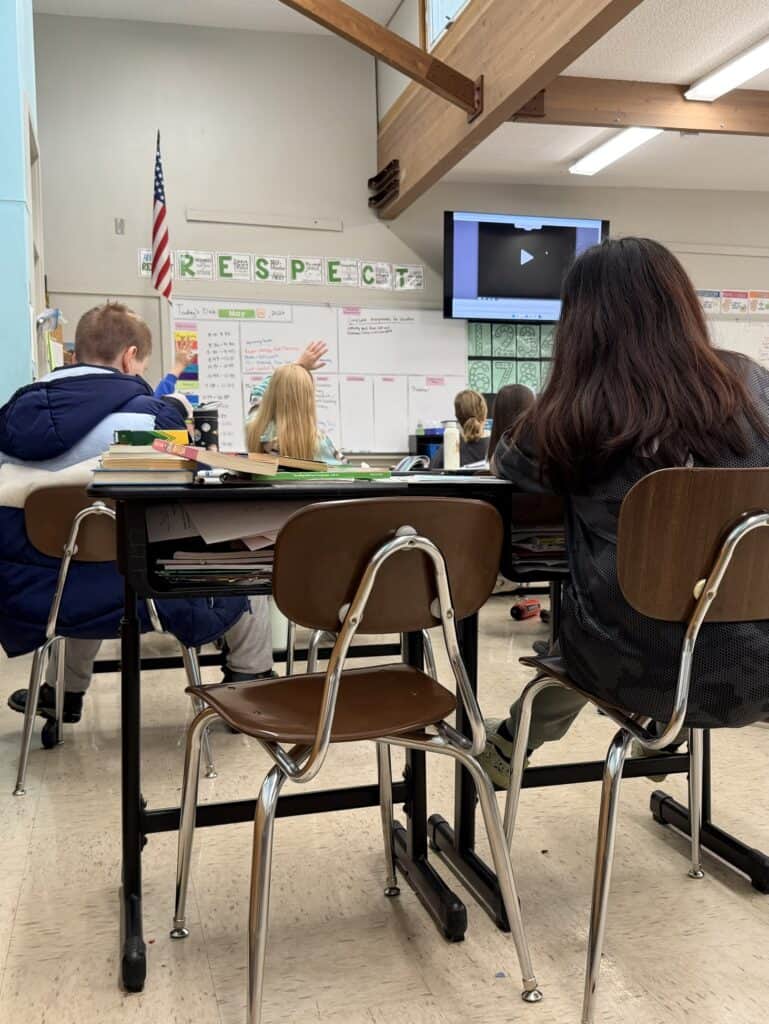
Thankfully, I’ve also seen the other side.
One elementary student I worked around had an extremely difficult school year. Because of her autism and support needs, simply getting to her classroom and remaining there could require constant adult assistance.
Lunch was especially difficult: a cafeteria full of elementary school students is loud even for many neurotypical adults. For her, it was overwhelming. She often needed to eat separately rather than joining her peers in the cafeteria.
Before the next school year started, however, her family and school team did something very intentional. They worked together to create a customized social story explaining her new classroom, teachers, routines, and expectations. She spent several weeks before school started using it to prepare for the transition.
When she returned after summer, the change was remarkable. Instead of needing constant adult help just to get to class, she wanted to walk there independently. She willingly entered her classroom and remained there for most of the day.
One of the changes that struck me most was lunchtime. The child who previously needed to leave the cafeteria because the noise was too overwhelming was now choosing to eat there with her classmates.
The cafeteria hadn’t suddenly become quiet, and her autism hadn’t disappeared. What had changed was her preparation, familiarity, and sense of safety.
To me, that’s what good support can look like. It’s not forcing a child to tolerate an environment because “everyone else can,” or removing every challenging experience.
Instead it’s figuring out what’s standing between the student and meaningful participation—and then helping reduce that barrier.
Inclusion can’t be one teacher’s impossible job
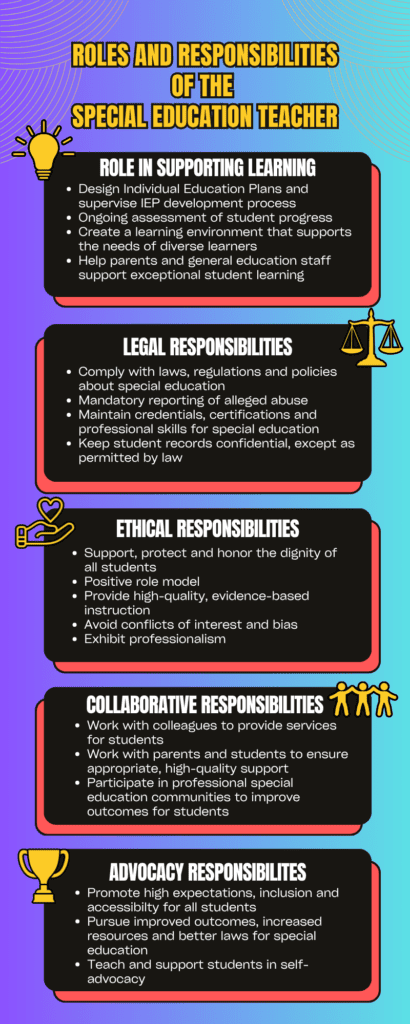
Working inside a school has also complicated the way I think about special education.
As a parent, it’s incredibly frustrating when something written into an IEP doesn’t happen consistently. I still believe families are right to advocate for the services their children need. But now I also see how difficult implementation can be from the other side.
There aren’t enough staff in many schools to provide every support exactly as planned every moment of every day.
My special education schedule can look perfectly workable at 8:00 in the morning. Then a student has a meltdown over the wrong color pencil. Someone calls in sick and there is no substitute.
There’s a fire drill or a special assembly that changes the day’s schedule. A student who normally works independently suddenly needs one-on-one support. Another child has an unexpected behavioral crisis (welcome to your average Tuesday in an elementary school!).
None of those things erase a student’s right to receive services. But they demonstrate why meaningful inclusion requires a lot more than writing accommodations onto paper.
You need a team of people all on the same page. You need time, and trained staff. You also need enough flexibility and redundancy so that the entire system doesn’t fall apart when one unexpected thing happens.
A July 2026 Government Accountability Office report found something very similar. Across the schools and districts GAO studied, officials frequently identified resource availability as a factor affecting special education placement and services. Educators at several schools specifically said they needed more paraeducators to help disabled students participate meaningfully in general education.
Parents matter more than I realized
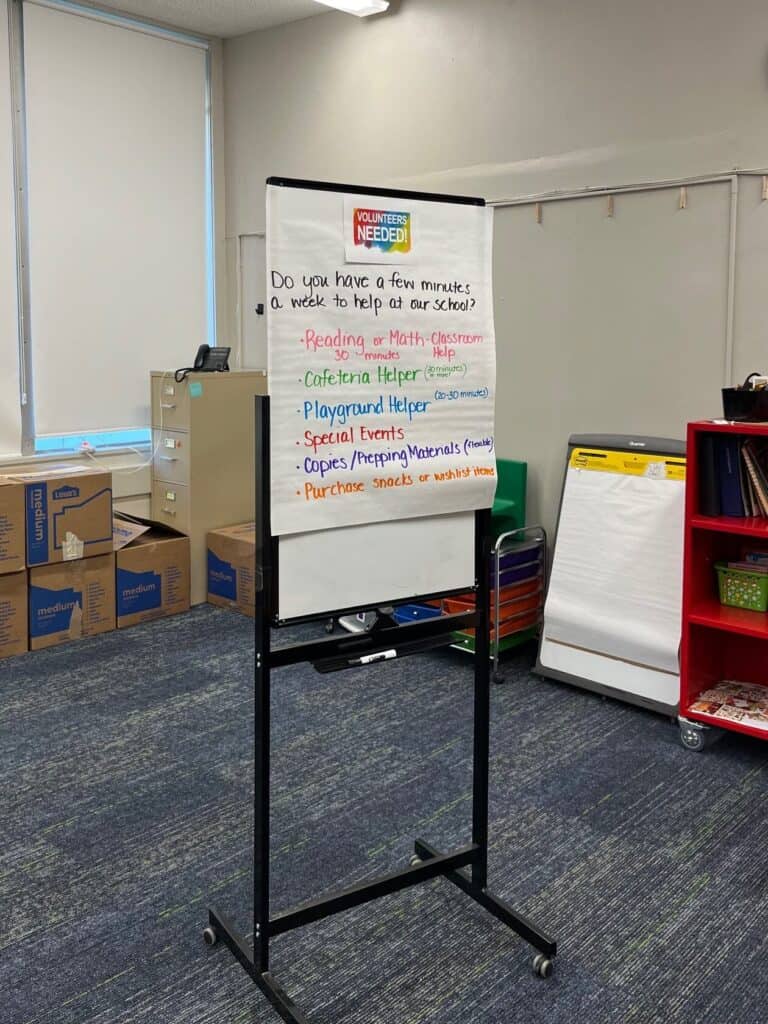
I’ve also seen just how much parental involvement can affect what happens at school. I’m not saying children whose parents cannot volunteer, attend every meeting, or constantly advocate deserve fewer services. They absolutely don’t.
The reality is that involved parents often give school teams information we simply can’t get anywhere else. These parents may know:
- what happened the night before
- what their child is afraid of
- which sensory triggers are becoming worse
- that a behavior we’re seeing at 1:00 in the afternoon may have started with something that happened before the child ever arrived at school
- which strategies have already been tried
The student I mentioned earlier didn’t have such a successful transition just because the school made a social story. Her parent and educators created it together.
There is something powerful about combining the family’s deep knowledge of this particular child with educators’ knowledge of instruction, development, and the school environment.
I’ve now sat on both sides of that relationship, and guess what? Neither side has the whole picture on their own. Collaboration is the secret sauce for the best results.
Who gets identified for special education matters too
Before a student receives services through IDEA, schools must determine whether that child meets eligibility requirements and needs special education and related services.
That process can have enormous consequences. Identification influences what services children receive, where they receive them, and sometimes how the adults around them interpret their behavior and abilities.
However, it’s an imperfect system. Researchers have raised long-running concerns about disproportionate special education identification among some racial, cultural, and linguistic groups. IDEA specifically requires states to examine data for significant racial and ethnic disproportionality in disability identification, educational placement, and disciplinary actions.
There isn’t one, single explanation for those disparities. Differences in educational opportunity, assessment practices, language, culture, disability category, local policies, poverty, and other factors can all complicate the picture.
The underlying question is important: Are we correctly identifying what this child needs?
Are we recognizing a disability? Are we mistaking differences in language, culture, previous educational opportunity, or communication for disability? Or are we missing a real disability because this particular child doesn’t look the way we expected a disabled child to look?
Academic success is only part of the story
I keep coming back to my daughter’s experience. Her grades said she was succeeding, but her mental health told us something completely different.
That’s why I think schools need to think much more broadly about what a successful education actually means. Our children aren’t only learning reading, writing, science, and math. They’re also learning:
- Am I capable?
- Can I ask for help?
- Do I belong here?
- Do my teachers see my strengths?
- Is needing support something to be ashamed of?
- Does learning always have to hurt this much?
Those questions are much harder to measure than a test score, and even more important. A student can meet every academic benchmark while exhausting themselves trying to keep up. A child can sit in an inclusive classroom and still feel completely alone.
A neurodivergent student can learn to hide every visible sign that they’re struggling—and receive praise for appearing “fine.” We should be very careful about calling that success.
Belonging is more than being present in the classroom
The 2026 GAO report didn’t look only at where disabled students were sitting. Researchers also asked schools about belonging.
Schools described both successes and barriers. Some intentionally created opportunities for disabled and nondisabled students to work together. Others described resource limitations that prevented disabled students from participating as fully as they wanted in school activities.
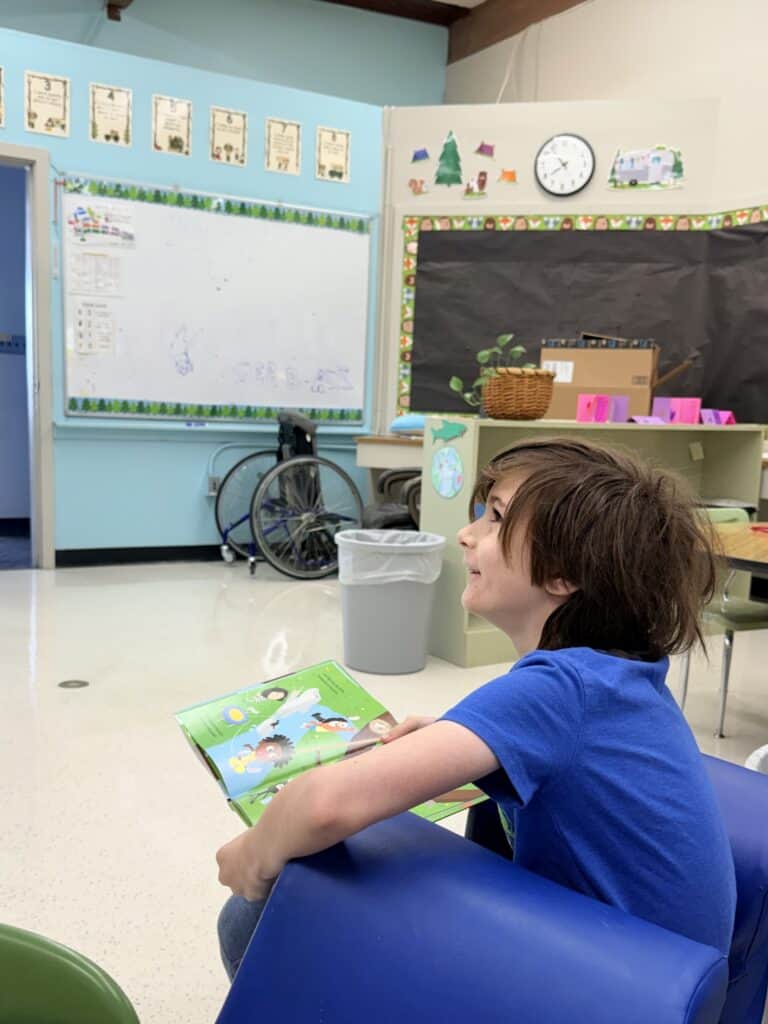
Being present isn’t the same as participating, and participating isn’t necessarily the same as belonging.
A student might technically have access to the lunchroom, but can they tolerate the sensory environment? A child might be allowed on the field trip, but are the supports they need available there? A teen might have an accommodation, but do they feel safe enough to use it?
What should parents look for?
The perfect version of inclusive education doesn’t exist, because every kid is different. However, the research and my own experiences have changed the questions I ask.
Instead of asking only, “Is my child in a general education classroom?” I think we need to ask:
- Can my child meaningfully participate here?
- Is the placement working for this particular child?
- Are accommodations available and usable?
- Does my child feel comfortable asking for help?
- Does the teacher have enough support to carry out the plan?
- What happens when staffing or routines unexpectedly change?
- Are we measuring wellbeing as well as academic achievement?
- Does my child have opportunities to build genuine friendships?
- Are classmates learning that differences and accommodations are normal?
- Is my child becoming more confident and independent?
- What does my child say about being here?
That last question may be the most important one. Children and neurodivergent individuals don’t always have the language to explain exactly why something isn’t working.
Instead it comes out as:
- non-compliance
- avoidance
- meltdowns
- headaches, stomachaches, generalized pain
- excessive screen time
- school refusal
- perfectionism
- exhaustion
Or a child who manages to hold everything together until they get home and finally falls apart. Behavior gives us important information, and we need to be curious enough to listen.
What I want inclusion to mean for my own kids
When I imagine what successful education looks like for my children, I’m not imagining perfect grades. I’m not even imagining an education without challenges.
I want my kids to have friends their own ages who accept them for who they are, and teachers who recognize and appreciate their unique strengths.
Inclusive education means learning things they love in ways that stretch their minds without keeping them in a constant state of stress and anxiety. Learning feels exciting, interesting, and worth pursuing.
I don’t want my kids to believe that exhaustion is simply the price they have to pay for being successful. Instead, I hope they feel capable, confident and curious.
Inclusion means that my children grow up with the knowledge that needing support doesn’t make them less intelligent or less worthy than anyone else. I’m working hard to create an environment that provides these same things for the students I work with.
Getting through the door wasn’t the finish line
We’ve come an astonishing distance in a relatively short period of time. Within living memory, huge numbers of disabled children were denied access to American public schools altogether. Today, IDEA establishes important educational rights and millions of disabled students spend much of their school day learning alongside nondisabled peers.
But that’s only the beginning. Putting disabled children in the classroom was never supposed to be the finish line. Meaningful inclusion means creating a place where they have the opportunity to thrive once they get there.
©️ Copyright Jennifer D. Warren 2026.